
7 Common Decorating Mistakes and How to Avoid Them
Every home tells a story, but sometimes the story gets interrupted by design errors that disrupt flow, balance, and comfort. By recognizing the most frequent pitfalls, you can avoid costly missteps and create interiors that feel both stylish and functional. This guide will help you uncover the 7 common decorating mistakes and how to avoid them, offering actionable solutions that bring clarity and confidence to your decorating journey.
Why Learning About Decorating Mistakes Matters
When people start decorating, it’s easy to get carried away by impulse purchases, bold ideas, or mismatched inspirations from Pinterest. However, great design requires more than good taste—it demands planning, proportion, and awareness of how each piece contributes to the whole. Knowing the decorating mistakes and how to avoid them helps you:
- Save money by avoiding design choices you’ll regret.
- Create a cohesive look that flows naturally from one room to another.
- Enhance both style and functionality in every space.
- Gain confidence in your ability to curate, not clutter.
Let’s dive into the seven most common errors and discover how to fix them with practical solutions.
1. Choosing Furniture Without Considering Scale
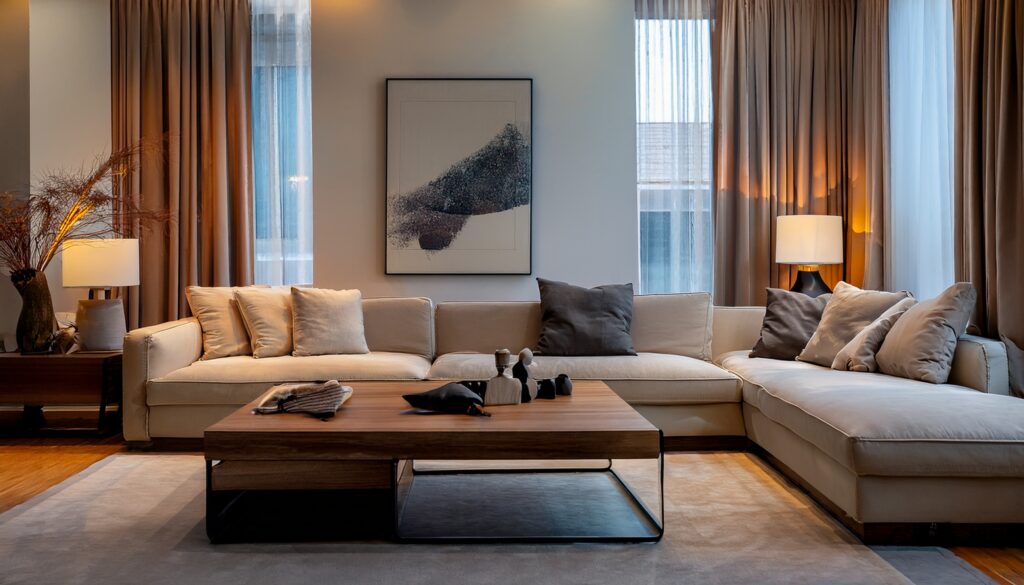
One of the most obvious decorating mistakes and how to avoid them is buying furniture that doesn’t match the proportions of the room. Oversized sectionals can swallow small living rooms, while tiny tables can feel lost in large open spaces.
How to avoid this mistake:
- Measure your room before buying anything.
- Use painter’s tape to outline the dimensions of new furniture on the floor.
- Consider circulation space—leave at least 30 inches of walkway around key areas.
This approach ensures that every piece fits harmoniously into your space.
2. Neglecting Proper Lighting
Lighting sets the mood, yet many people rely solely on a single ceiling fixture. This results in rooms that feel flat and uninspiring.
How to avoid this mistake:
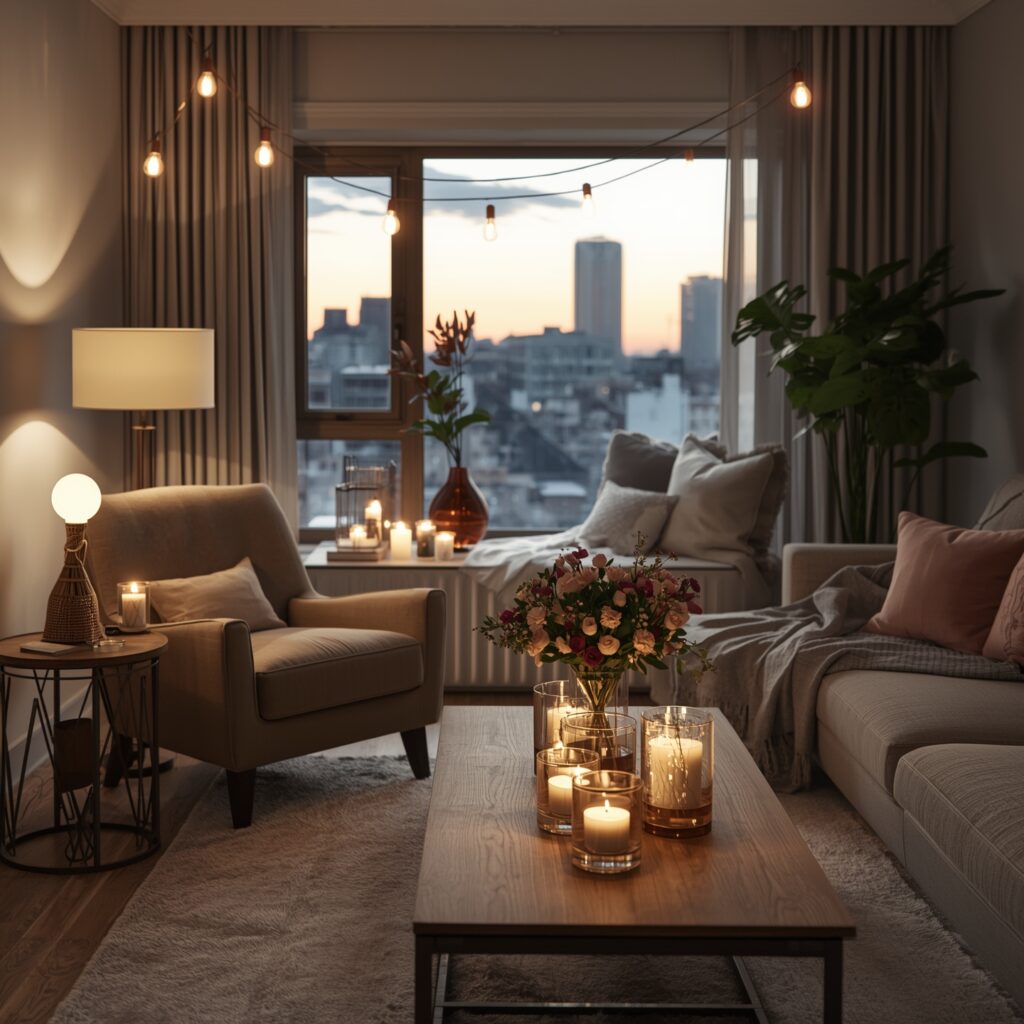
- Layer lighting: combine ambient (general), task (functional), and accent (decorative).
- Place table lamps at seating areas for warmth and usability.
- Use dimmers for flexibility across different times of day.
Designers often say lighting is 50% of design impact—making it a critical area to master.
👉 For more on how lighting transforms interiors, check our article Strategic Lighting to Reinforce Themes.
3. Overcrowding with Accessories
It’s tempting to display every vase, candle, and framed photo you love. But too many accessories create clutter and diminish visual impact.
How to avoid this mistake:
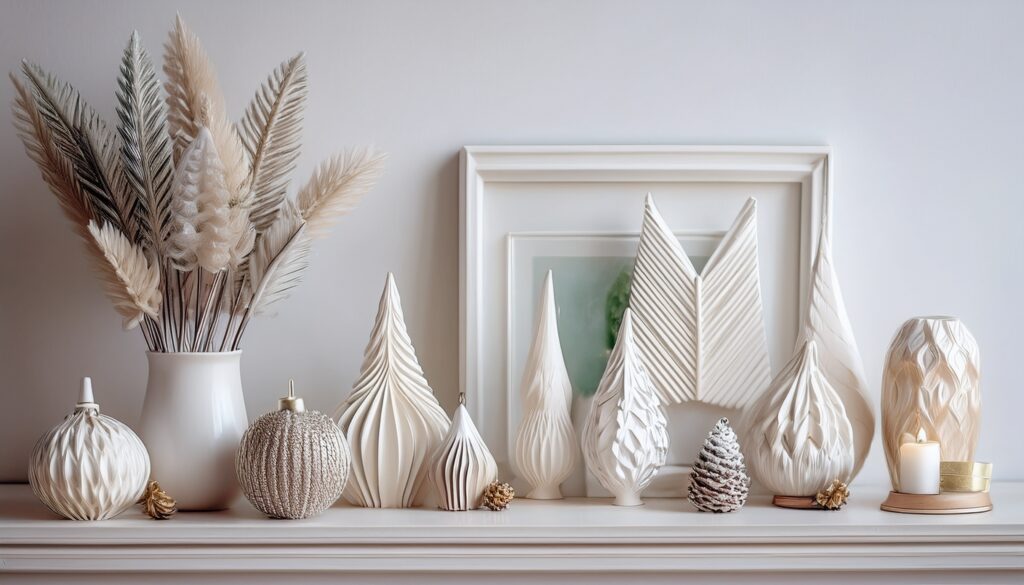
- Apply the “less is more” principle: fewer, larger pieces often look more intentional than many small items.
- Group accessories in odd numbers (3 or 5) for balance.
- Rotate décor seasonally rather than displaying everything at once.
A carefully curated shelf tells a stronger story than a chaotic one.
4. Using Rugs That Are Too Small
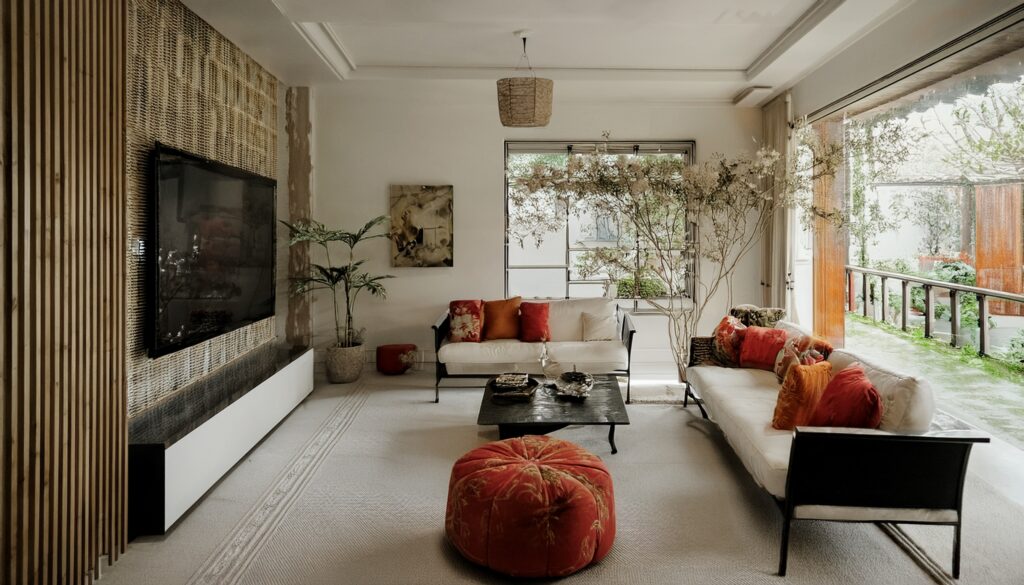
A rug that floats under the coffee table without reaching the sofa is one of the most common decorating mistakes and how to avoid them. Rugs anchor a room, and choosing the wrong size breaks its unity.
How to avoid this mistake:
- In living rooms, ensure at least the front legs of sofas and chairs sit on the rug.
- In bedrooms, rugs should extend at least 18–24 inches beyond the bed.
- In dining rooms, rugs should fit the table and chairs even when pulled out.
Think of rugs as the foundation of your furniture layout—not just an accessory.
5. Hanging Artwork Incorrectly
Art hung too high or scattered randomly across walls makes a room feel awkward.
How to avoid this mistake:
- Hang artwork at eye level: about 57–60 inches from the floor.
- Anchor gallery walls with a central piece, then expand outward.
- Align frames with furniture edges for cohesion.
Correctly placed art enhances scale and adds rhythm to your space.
6. Ignoring a Color Plan
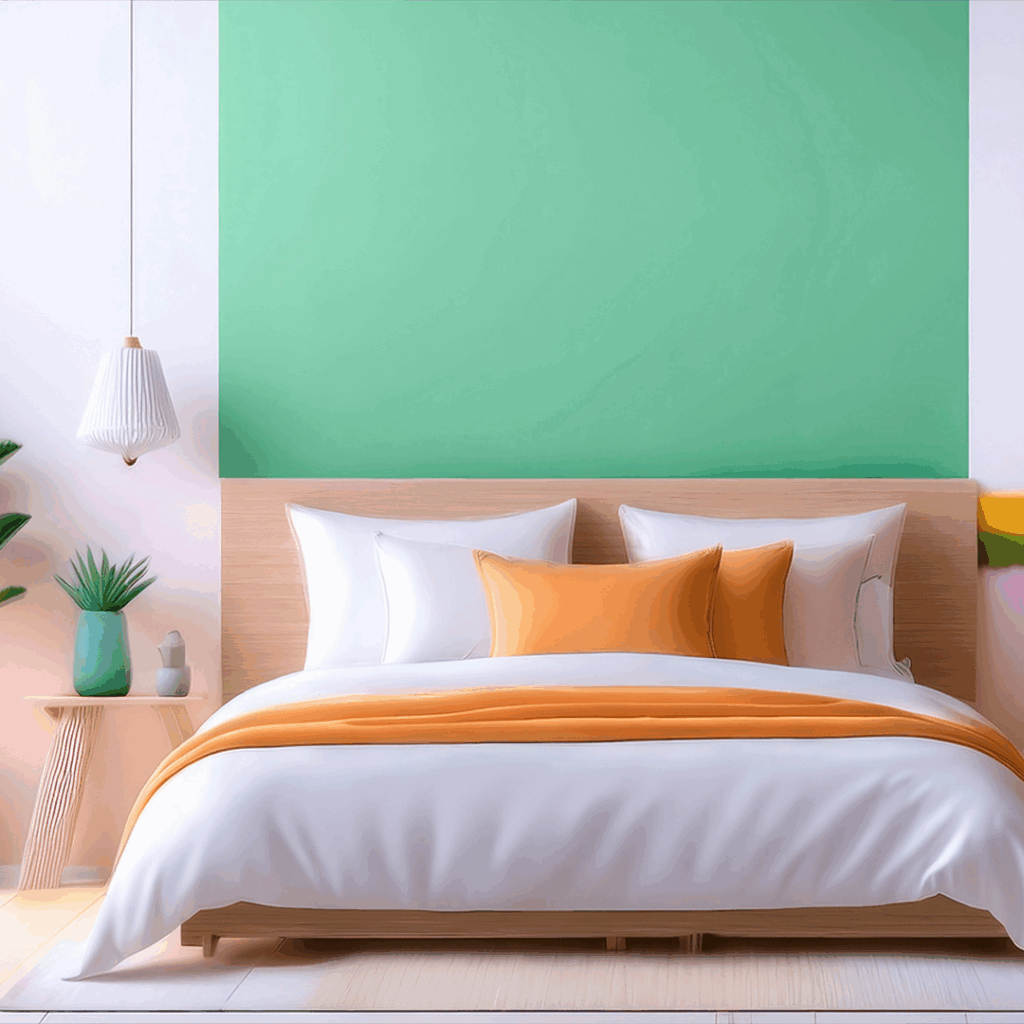
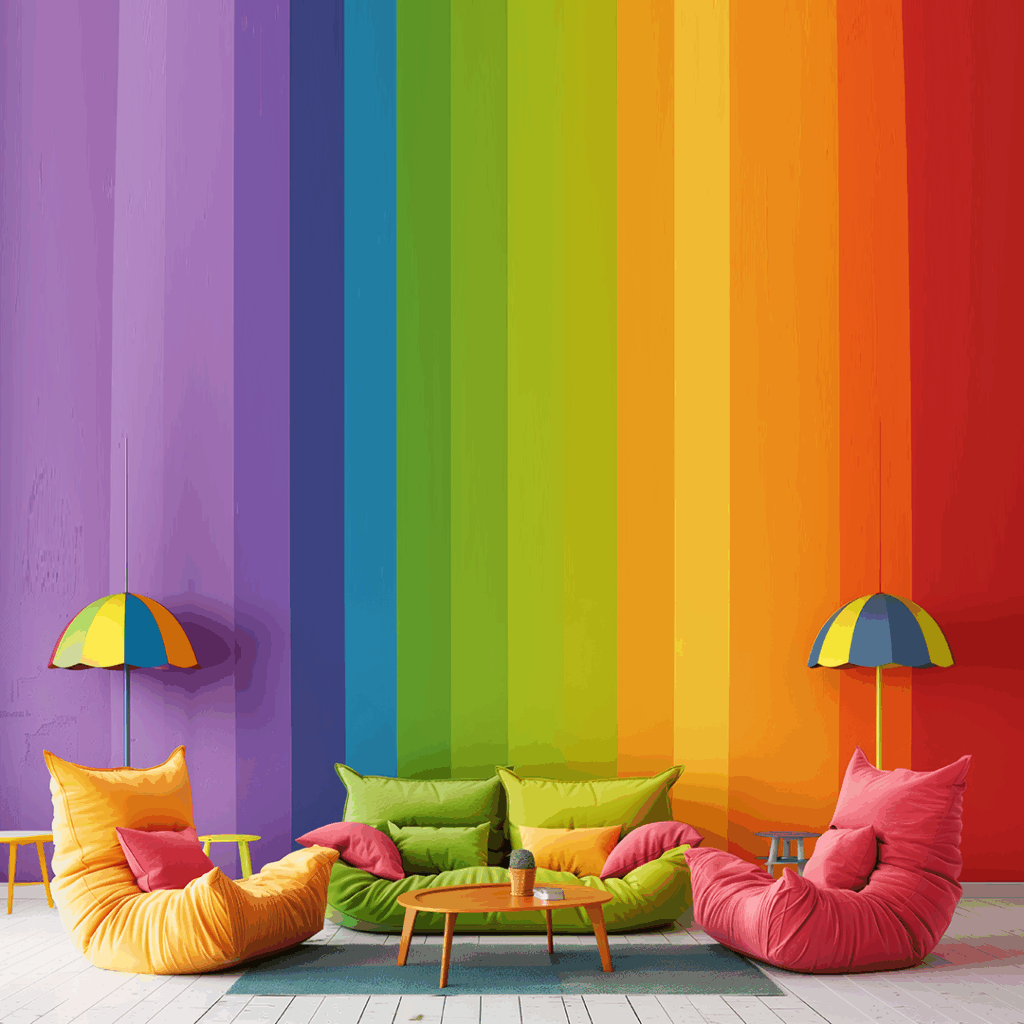
Colors influence mood and energy, yet many people choose paint or accents impulsively. The result? Rooms that clash rather than connect.
How to avoid this mistake:
- Start with a base of 2–3 complementary colors.
- Introduce accent tones through pillows, artwork, or rugs.
- Use repetition to tie different areas together.
Having a clear palette is one of the smartest ways to prevent decorating mistakes and how to avoid them.
7. Forgetting Functionality
A room may look beautiful in photos, but if it doesn’t serve your lifestyle, it fails.
How to avoid this mistake:
- Plan layouts around how you use the space daily.
- Keep high-traffic paths clear.
- Position frequently used items within easy reach.
Remember, design is not just about appearance—it’s about creating an environment that works for you.
Step-by-Step Guide to Applying These Fixes
- Evaluate your space. Walk through each room and note any imbalance or clutter.
- Measure and plan. Map out furniture, rugs, and wall art before buying.
- Layer your design. Think about lighting, textures, and accessories holistically.
- Test and adjust. Move pieces around until the flow feels natural.
- Commit slowly. Build your design over time instead of rushing into purchases.
This method keeps you from repeating decorating mistakes and how to avoid them while empowering you to design with purpose.
Transforming Mistakes Into Style Success
Avoiding these seven errors doesn’t mean stripping away creativity—it means giving it structure. When you prioritize balance, proportion, and intentionality, your home becomes a reflection of both style and function.
If you’re curious about extending your design journey, explore our article Retro 70s Style Bathrooms for inspiration on how bold themes can be executed flawlessly.
For additional professional insights, check out Elle Decor’s design guide—a trusted resource for mastering both modern and timeless interiors.
By mastering these decorating mistakes and how to avoid them, you’ll unlock the confidence to design spaces that feel harmonious, welcoming, and truly yours.