

How to Use Colors to Transform Any Room
Color is one of the most powerful design tools you have—capable of making a small space feel larger, a plain room feel lively, and an outdated area feel fresh. But the way you apply color matters. How to Use Colors to Transform Any Room is not just about painting walls; it’s about strategy. Choosing the right tones, combinations, and placements can completely change how a space looks and feels, even if you don’t move a single piece of furniture. This guide walks you through proven steps to master the art of using color as a transformative element in any room.
Understand the Psychology of Color
The first step in how to use colors to transform any room is understanding what each shade communicates and how it impacts mood.
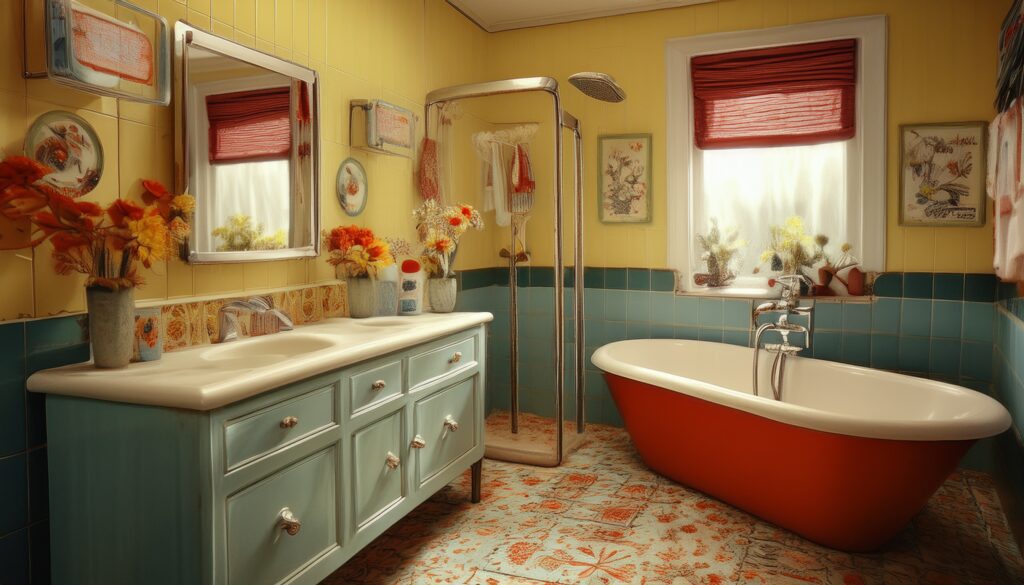
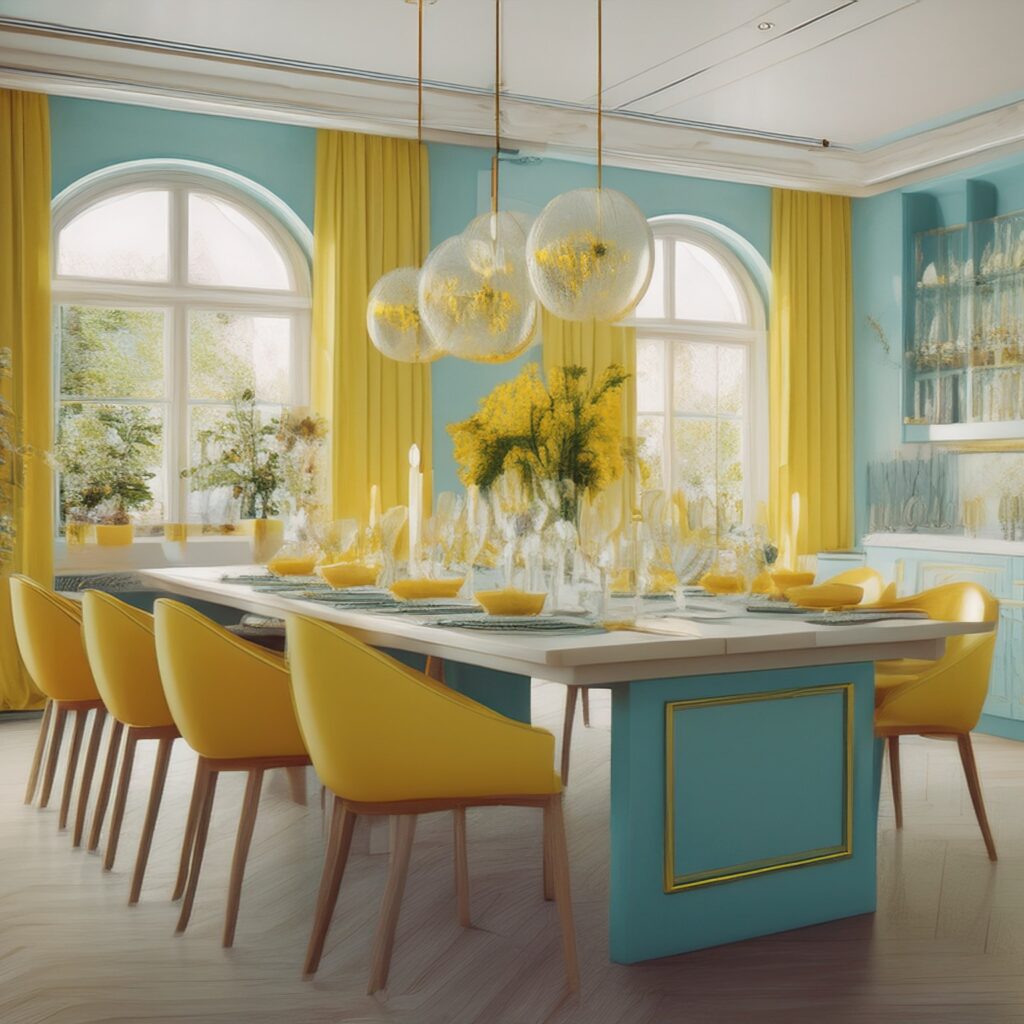
- Warm tones (reds, oranges, yellows): Energizing, welcoming, and stimulating. Ideal for kitchens and dining rooms.
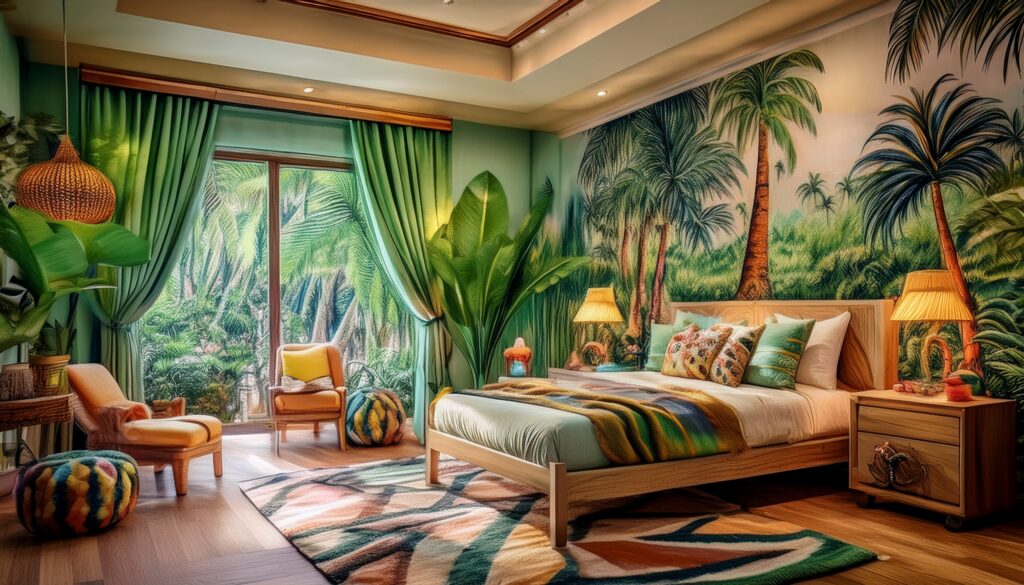
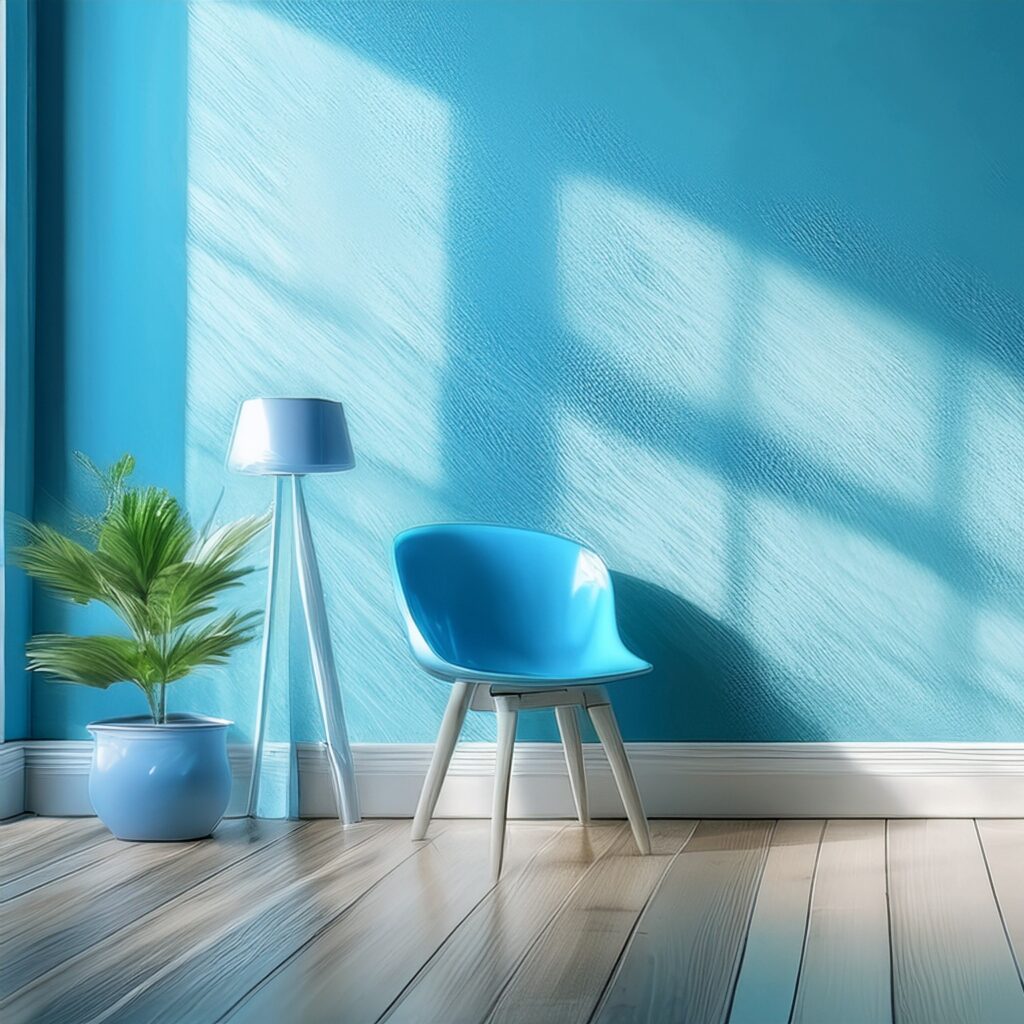
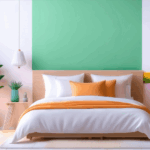
- Cool tones (blues, greens, purples): Calming, refreshing, and grounding. Perfect for bedrooms, bathrooms, or offices.
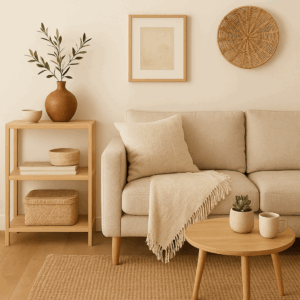
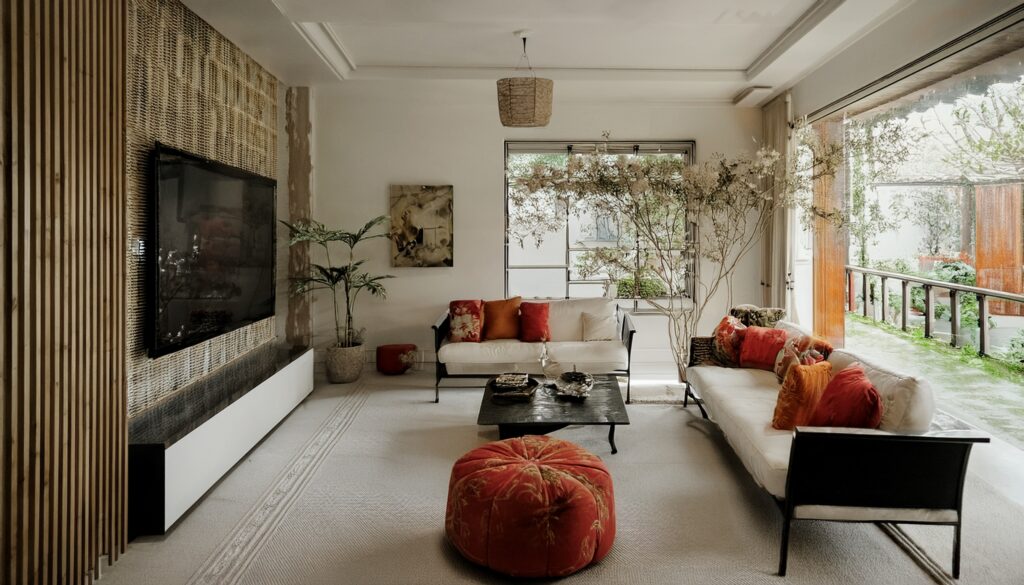
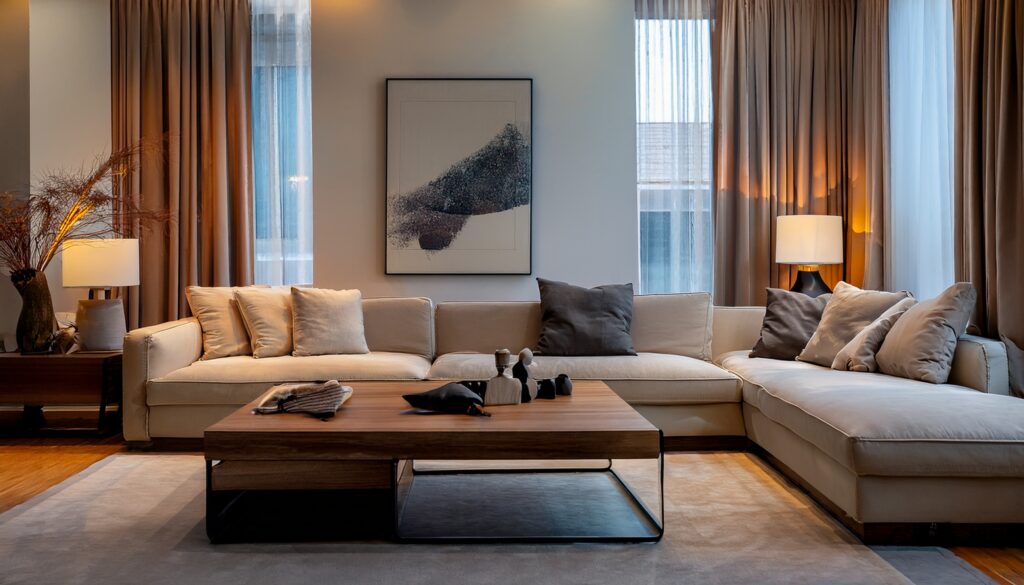
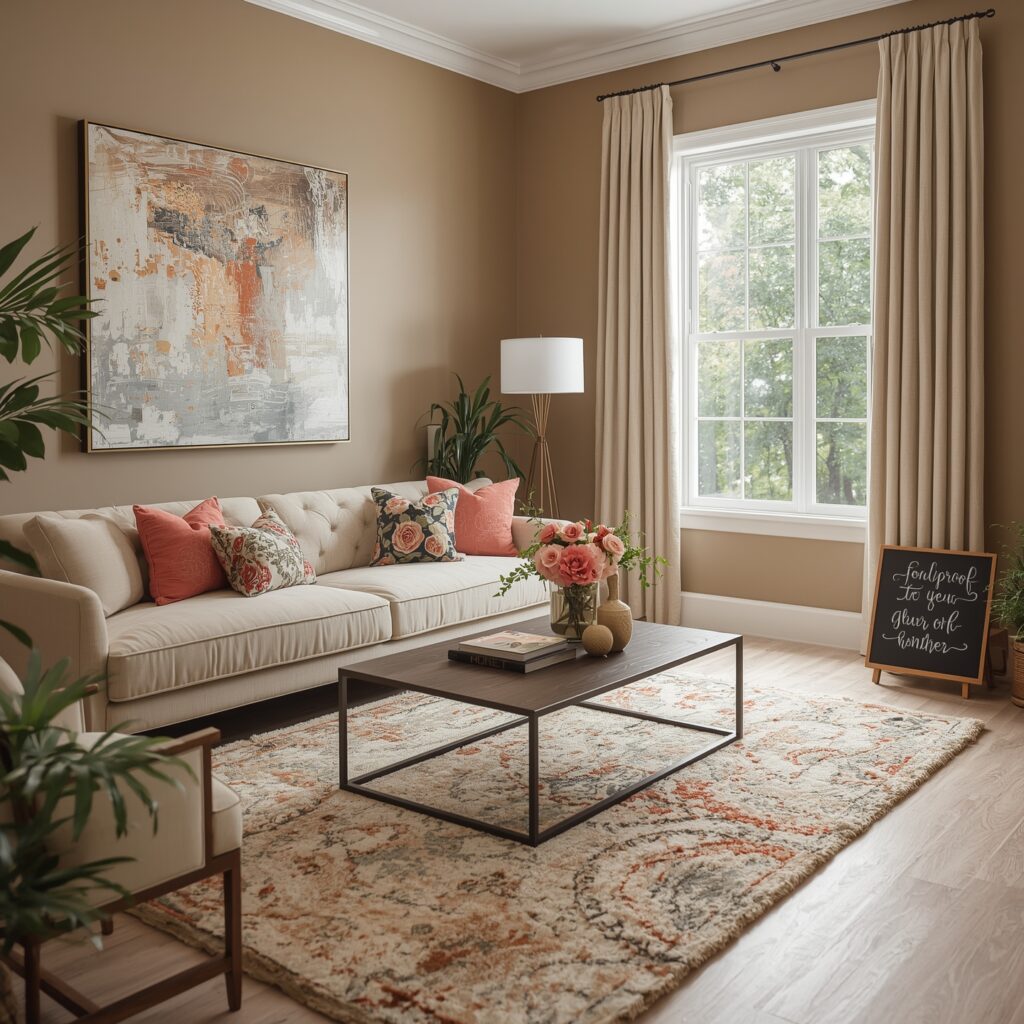
- Neutrals (whites, beiges, grays): Timeless backdrops that highlight stronger accents.
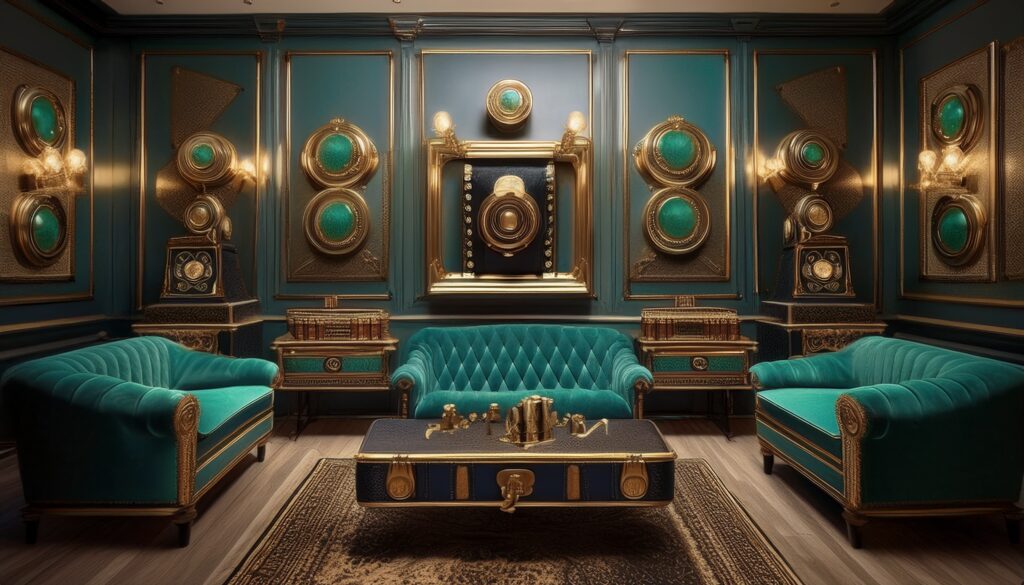
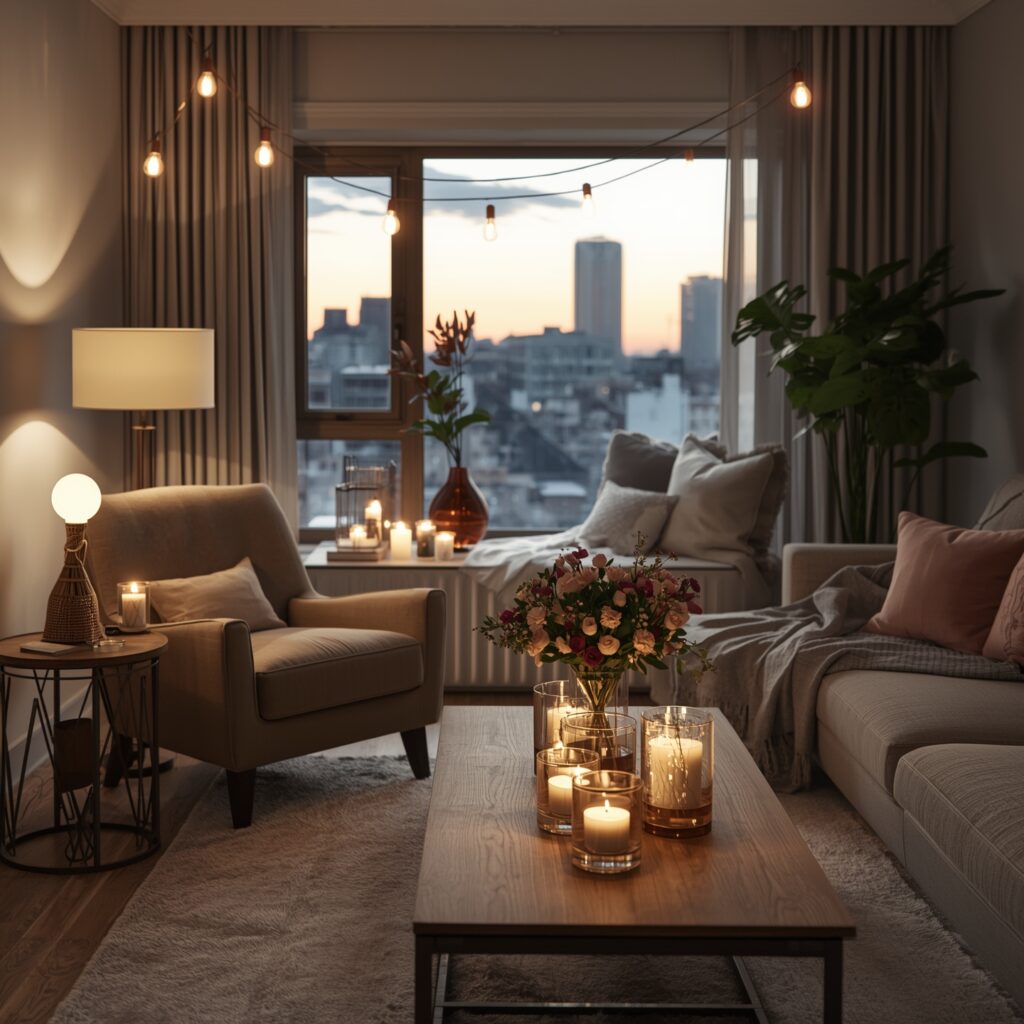
- Deep, rich colors: Add intimacy and drama; great for cozy rooms.
Knowing the emotional impact of colors is essential when learning how to use colors to transform any room in a way that aligns with your lifestyle.
Build a Cohesive Palette
Random choices lead to visual chaos. One of the golden rules of how to use colors to transform any room is creating a structured palette:
- Primary color (60%) — dominates walls or large furniture.
- Secondary color (30%) — supports the main tone with rugs, curtains, or chairs.
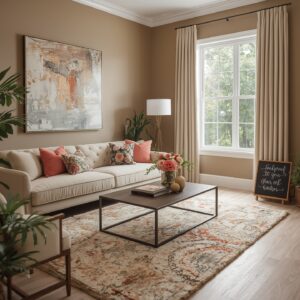
- Accent color (10%) — adds character through pillows, art, or lamps.
By repeating colors across different elements, you’ll unify the room and achieve balance.
Choose Between Monochromatic, Analogous, or Complementary Schemes
Color relationships dramatically influence the final outcome of how to use colors to transform any room.
- Monochromatic: Variations of one hue (pale blue walls with navy accents) for calm sophistication.
- Analogous: Neighboring shades on the color wheel (green, teal, blue) for natural harmony.
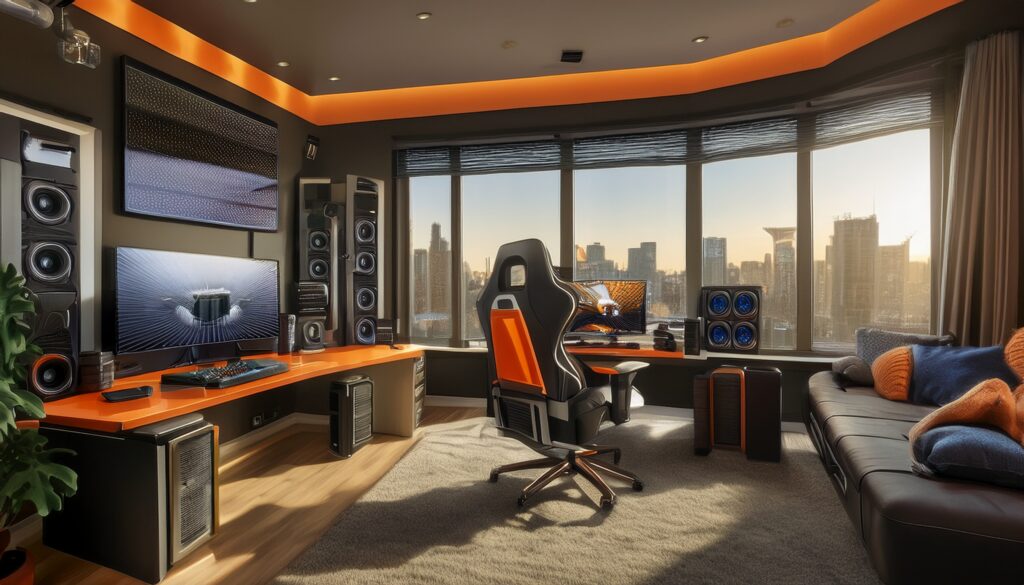
- Complementary: Opposites like orange and blue for bold energy—when softened with neutrals.
Each approach reshapes atmosphere and visual depth.
Use Color to Change Perceived Space
When exploring how to use colors to transform any room, placement is everything.
- Light colors expand and brighten a small room.
- Dark shades add coziness and depth to larger spaces.
- Ceilings: Paint lighter than walls to “lift” height, or darker for an intimate effect.
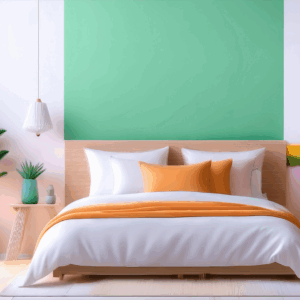
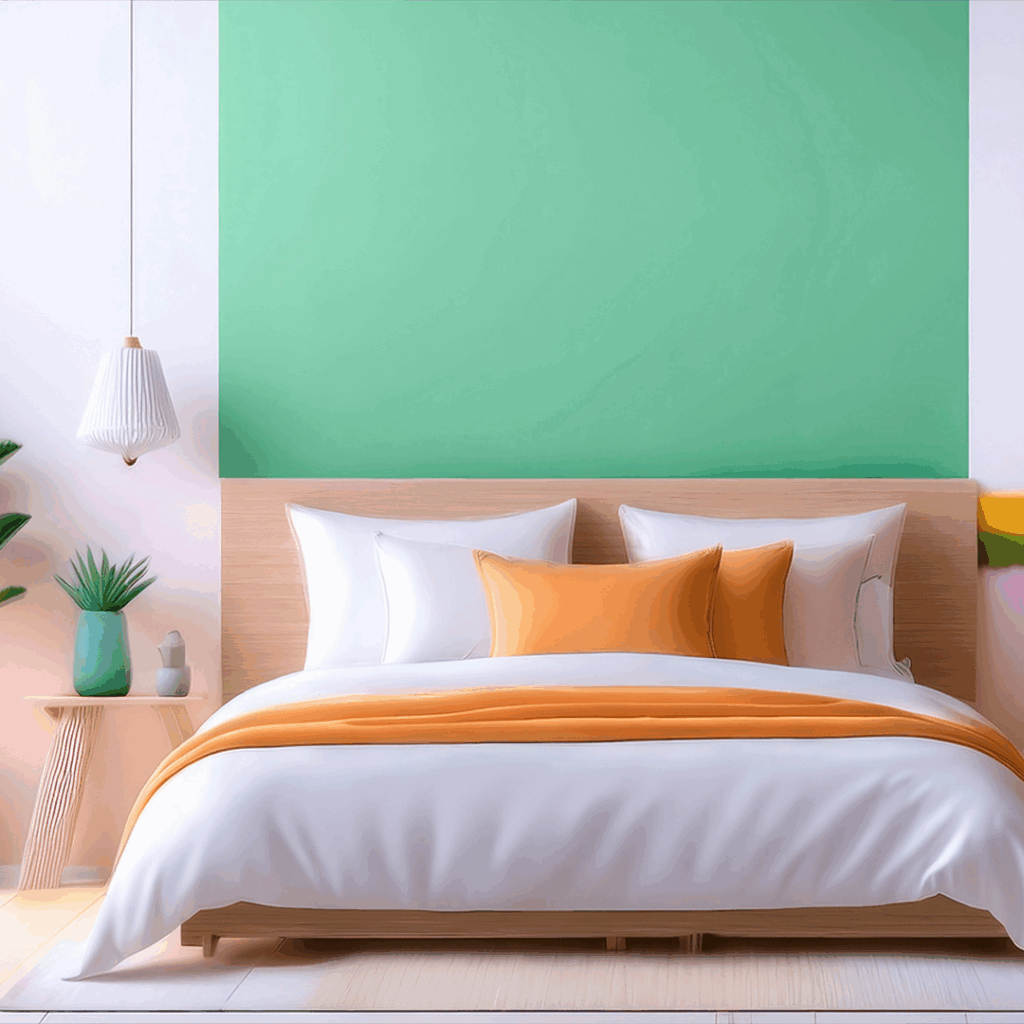
- Accent walls: Instantly create a focal point.
Strategic placement allows you to reshape perception without physical renovation.
Layer Colors with Materials and Textures
Another essential technique in how to use colors to transform any room is layering tones with materials:
- Wood finishes soften cool palettes and add warmth.
- Metals like brass or chrome shift the mood of color schemes.
- Textiles (linen, velvet, wool) introduce dimension and prevent flatness.
Keeping colors tied to a palette ensures everything feels connected.
Balance Bold and Neutral Tones
Bold doesn’t mean chaotic. A central lesson in how to use colors to transform any room is balance.
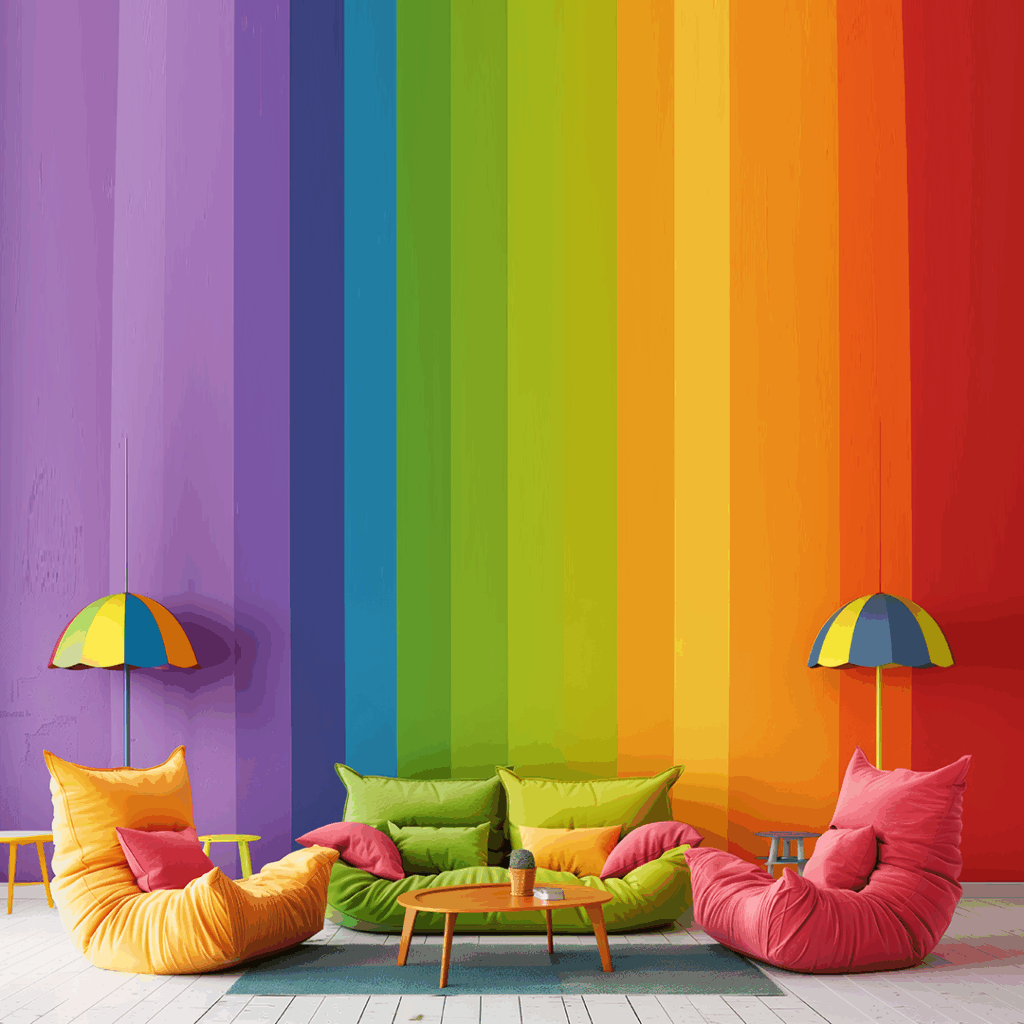
- A vibrant sofa works best when paired with neutral walls.
- Statement-colored walls shine when furniture remains subdued.
This approach prevents visual overload and lets bold colors become the star.
Test Before You Commit
No strategy on how to use colors to transform any room is complete without testing shades in real life.
- Apply swatches on multiple walls.
- Observe throughout the day under natural and artificial light.
- Compare against flooring and furniture.
Colors shift depending on context, so testing avoids costly mistakes.
Coordinate with Adjacent Rooms
Continuity is key in how to use colors to transform any room when working across multiple areas. Even if each space has its personality, connecting them with shared undertones or recurring accents creates flow. For example, a light gray hallway can transition seamlessly into a navy living room.
Refresh Without Repainting Everything
You don’t always need a full renovation to master how to use colors to transform any room. Small swaps work wonders:
- Replace throw pillows, rugs, or curtains.
- Hang colorful artwork.
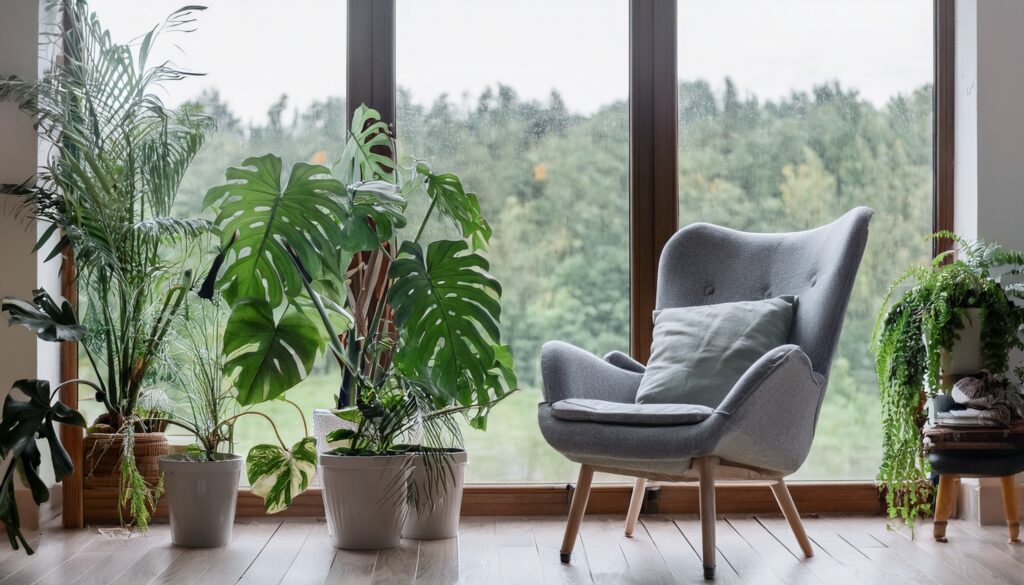
- Introduce plants for vibrant greens.
- Change lampshades or vases to match your palette.
Affordable updates can completely shift the room’s mood.
Use Color to Reflect Your Personality
At the heart of how to use colors to transform any room is self-expression. Whether it’s a calm sage green or daring mustard yellow, the most successful schemes connect emotionally. The right tones should make you feel inspired every time you step inside.
A Space Transformed by Color
Now that you know how to use colors to transform any room, you understand that color goes far beyond decoration—it defines atmosphere, alters perception, and unifies design. By mastering color psychology, palettes, and layering, you can reshape any room into a space that feels uniquely yours while staying balanced and timeless.
A Home Defined by Color
Color is more than decoration—it’s an emotional and architectural tool. It defines mood, reshapes space, and adds harmony. With the strategies shared here, you can confidently use colors to transform any room, whether through bold palettes, subtle layering, or simple accent updates.
If you’re ready to continue elevating your spaces, explore our guide on 10 Foolproof Tips to Decorate Your Living Room for even more actionable advice.
And if you’d like a deeper dive into color psychology and theory, visit this authoritative guide on color in interior design for professional insights.
By applying these principles, you won’t just decorate—you’ll truly use colors to transform any room into a space that inspires.