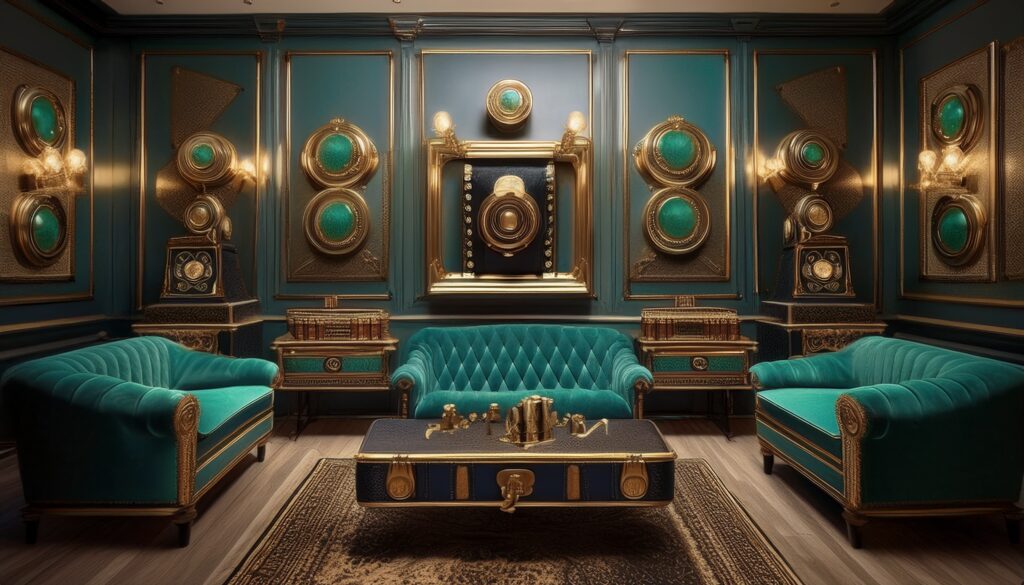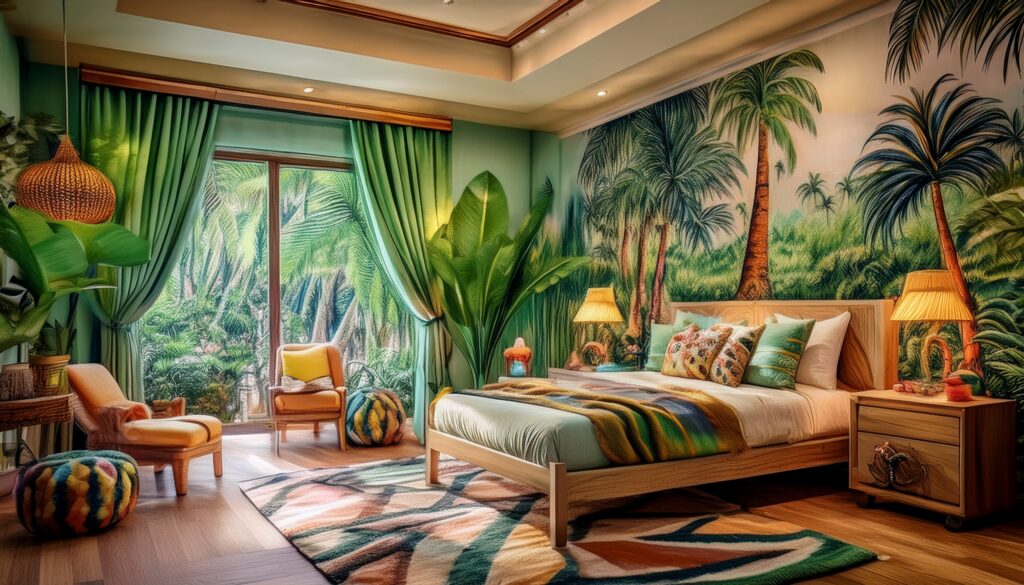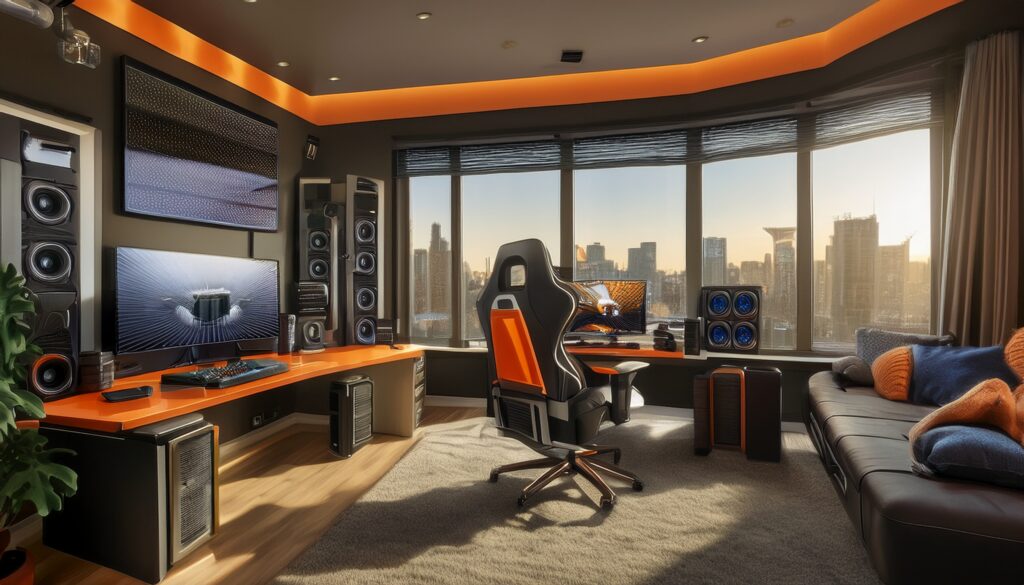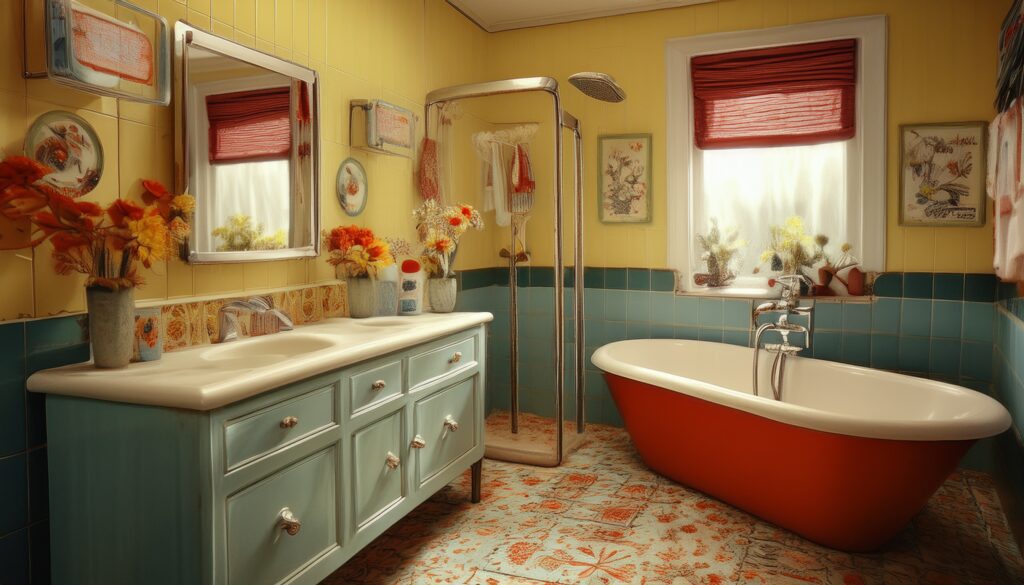

Lighting Décor: Why It Matters
Lighting can make or break the atmosphere of a room. Even the most beautifully designed space can feel flat or uncomfortable without the right lighting. When used strategically, lighting décor doesn’t just illuminate—it sets the mood, emphasizes features, and makes your home more functional.
Here’s how to master the art of lighting to bring out the best in every space.
Understand the Three Main Types of Lighting
A well-designed room balances three kinds of interior lighting, each with its own purpose:
- Ambient lighting: The main source of brightness, usually from ceiling fixtures, chandeliers, or recessed lights.
- Task lighting: Focused lights for activities such as reading lamps, under-cabinet kitchen strips, or desk lamps.
- Accent lighting: Highlights architectural features, art, or décor—like wall sconces, LED strips, or spotlights.
Mixing these ensures your space feels both practical and visually engaging.
Layer Your Lighting
Relying on a single source of light creates flat, uninviting rooms. Instead, layer multiple fixtures at different heights.
- Combine ceiling, wall, and floor lamps.
- Place lights at varying levels for depth.
- Balance brightness so no source overwhelms the others.
Layering light adds comfort and dimension—essential for effective lighting décor.
Choose the Right Bulb Color Temperature
The color temperature of your bulbs sets the tone of a room.
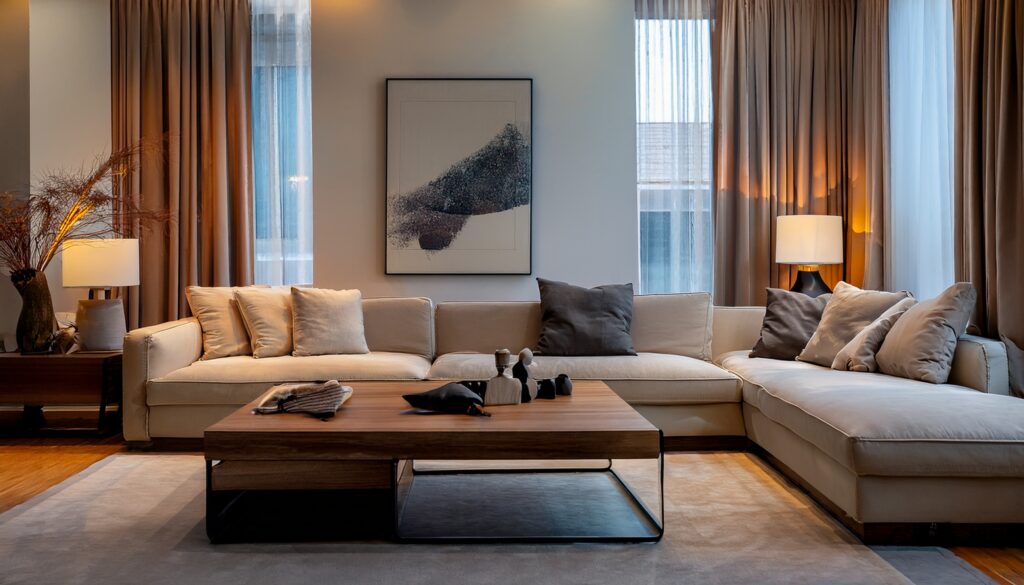
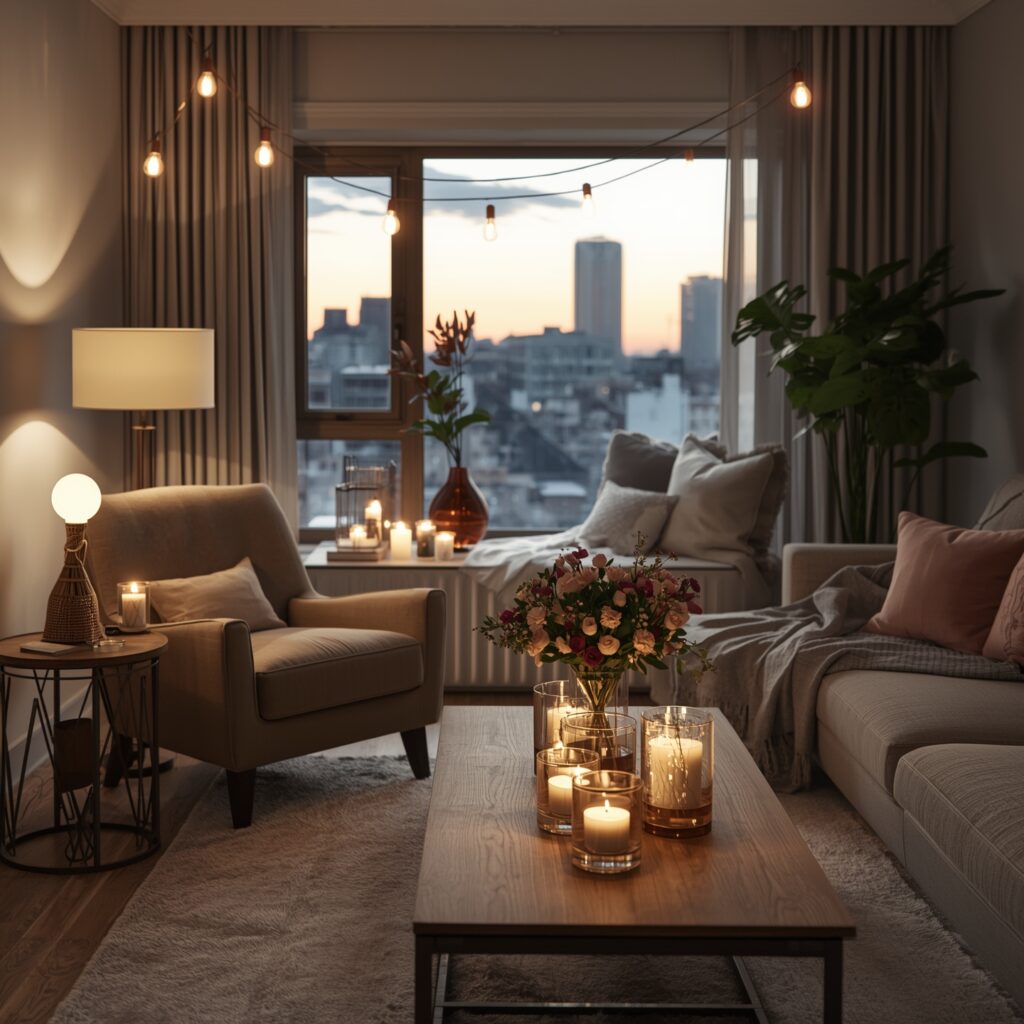
- Warm white (2700–3000K): Cozy and inviting, ideal for bedrooms and living rooms.
- Neutral white (3500–4100K): Balanced and clear, perfect for kitchens or offices.
- Cool white/daylight (5000–6500K): Crisp and energizing, great for task-heavy areas.
Consistency within each room ensures a cohesive atmosphere.
Use Dimmers for Flexibility
Dimmers let you control brightness and mood instantly.
- Lower intensity for cozy evenings.
- Increase brightness for tasks like cooking or cleaning.
- Extend bulb life while reducing energy use.
Dimmers make your home lighting design adaptable and efficient.
Highlight Architectural Features
Accent lighting helps showcase your home’s character.
- Spotlights over fireplaces or textured walls.
- LED strips under cabinets or shelves for subtle glow.
- Uplights near plants or sculptures for dramatic flair.
This adds personality while enhancing the overall lighting décor strategy.
Make Use of Natural Light
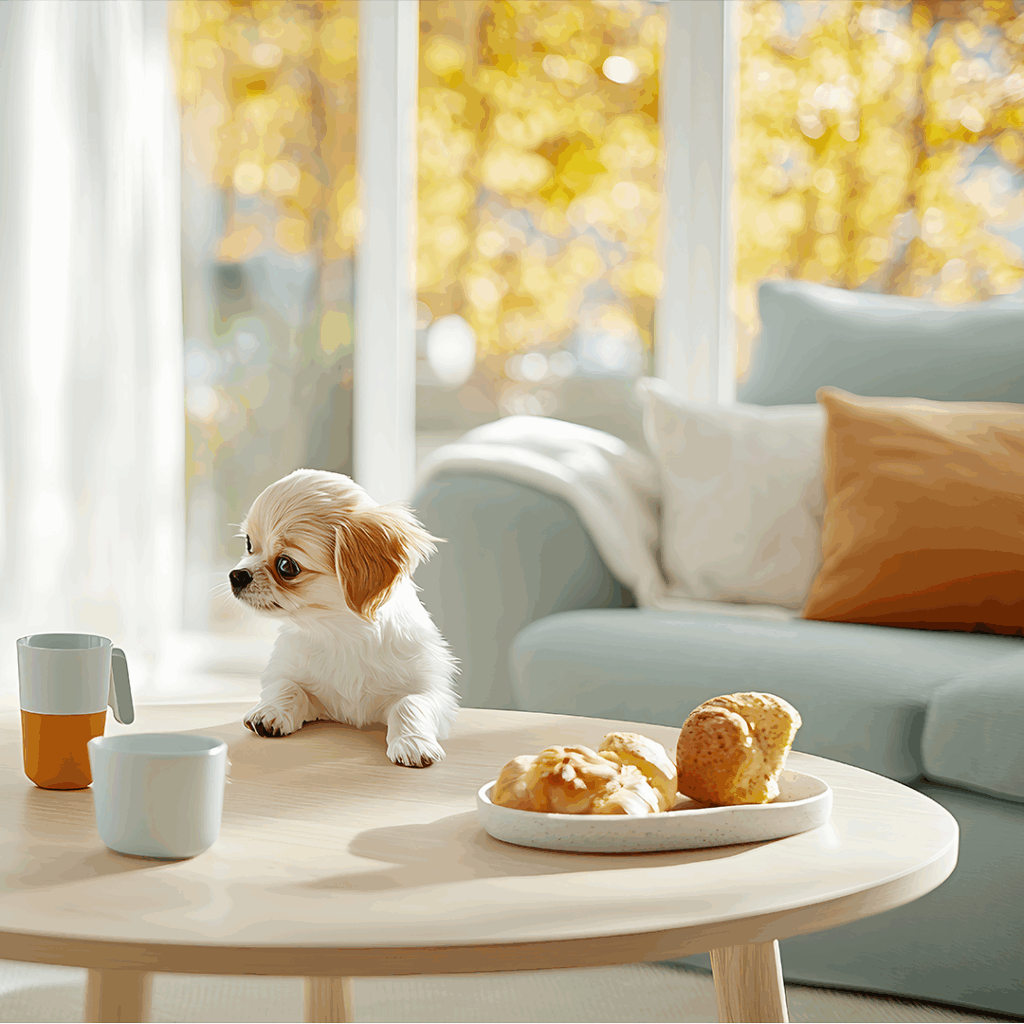
Natural light is the most powerful—and free—lighting source.
- Keep windows clean and unobstructed.
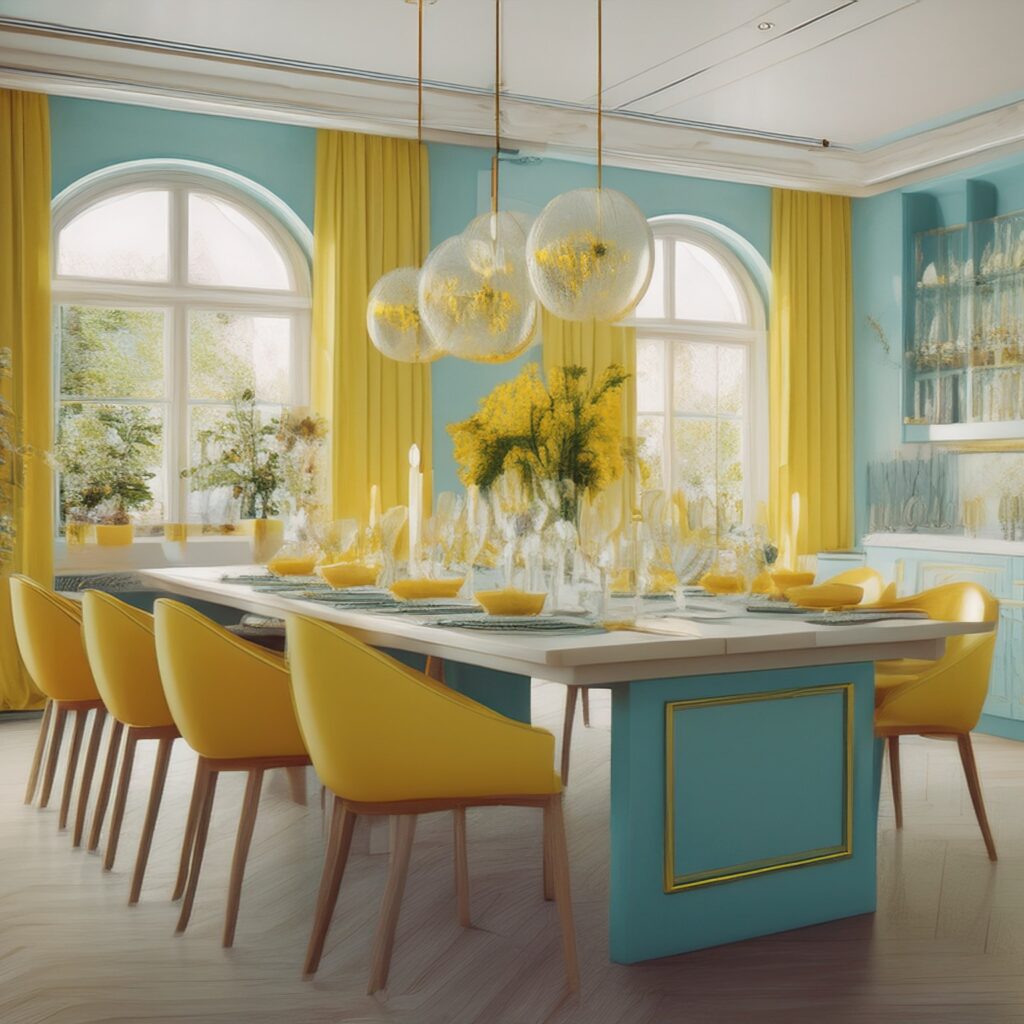
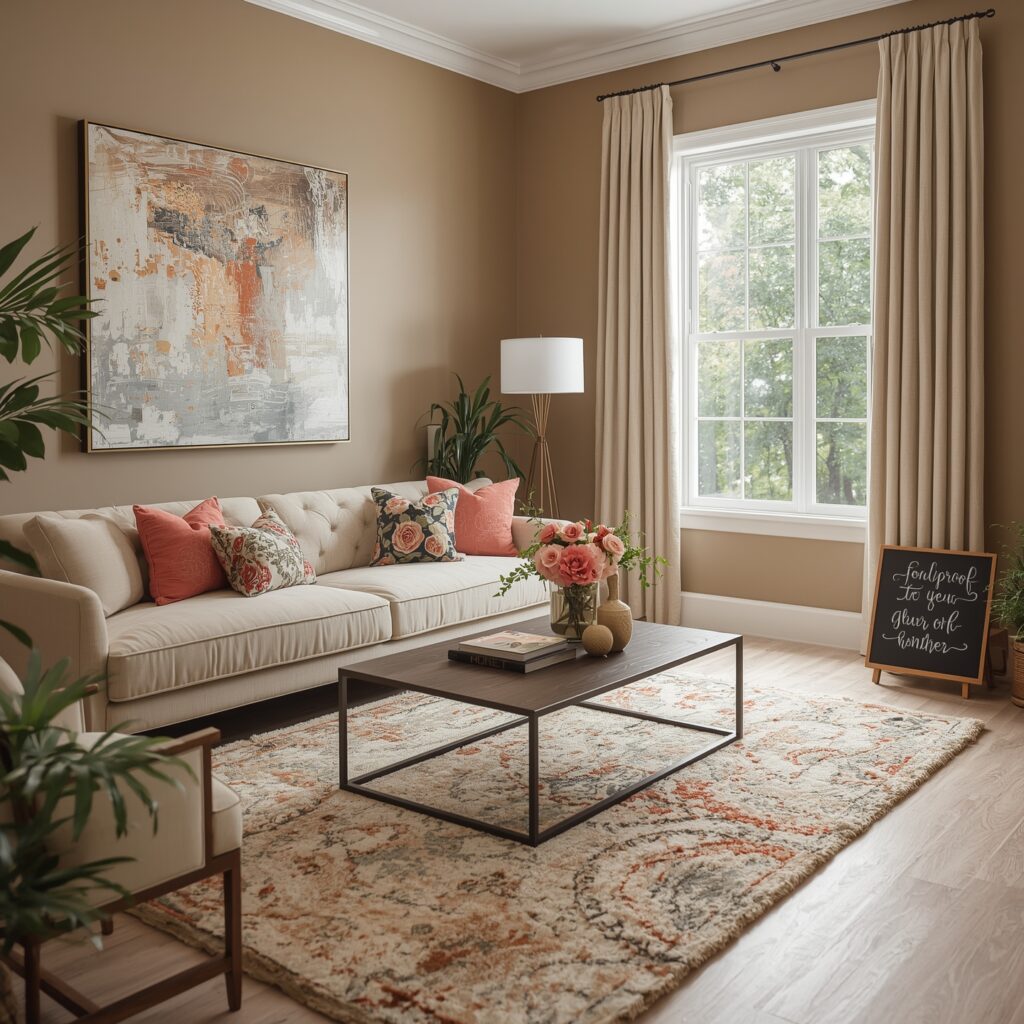
- Use sheer curtains to soften glare.
- Position mirrors to reflect daylight deeper inside.
Harnessing natural light reduces reliance on artificial sources.
Balance Light and Shadow
Great lighting design is not about flooding every corner with brightness.
- Use shadows strategically for contrast.
- Add shaded lamps or directional fixtures.
- Create variation to keep the room visually interesting.
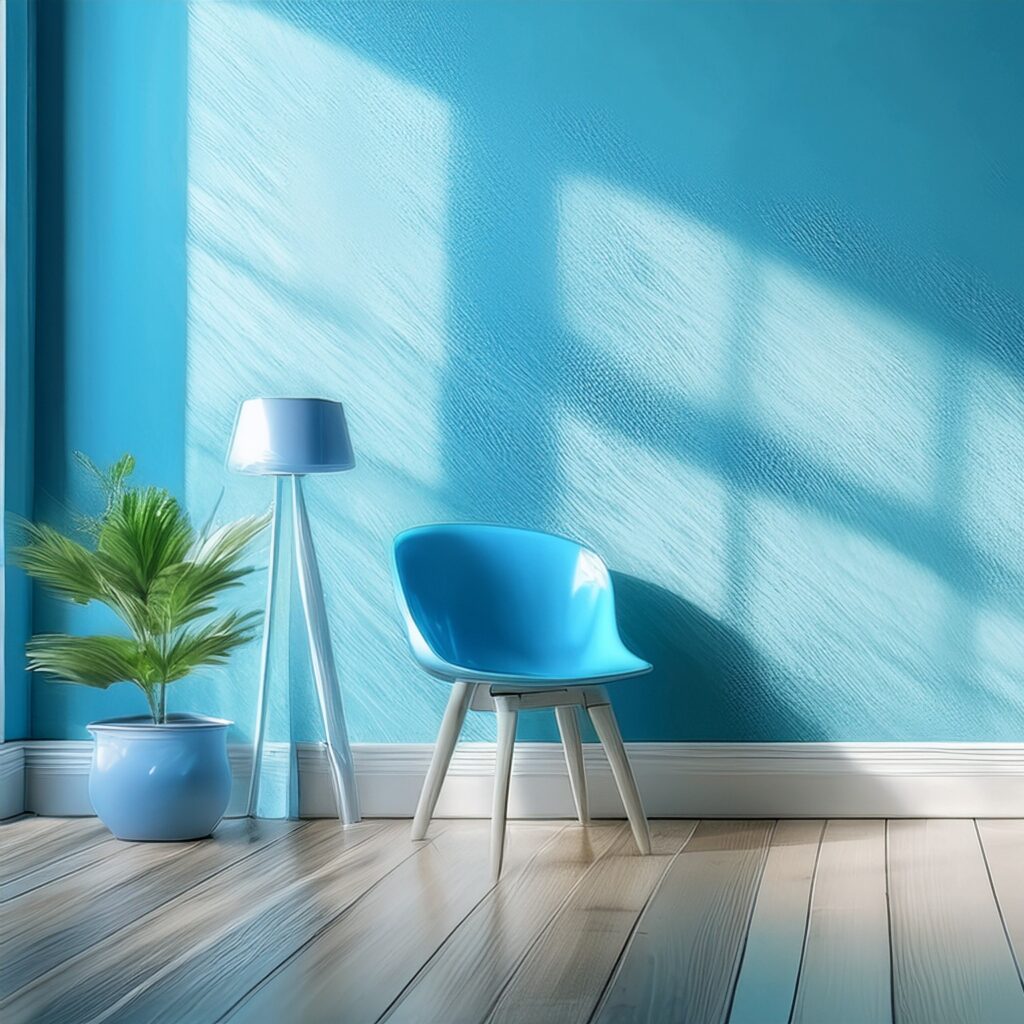
The interplay of light and shadow gives depth and texture.
Match Lighting Style to Room Purpose
Each room benefits from tailored lighting décor:
- Kitchen: Bright, even lighting with task lamps over counters.
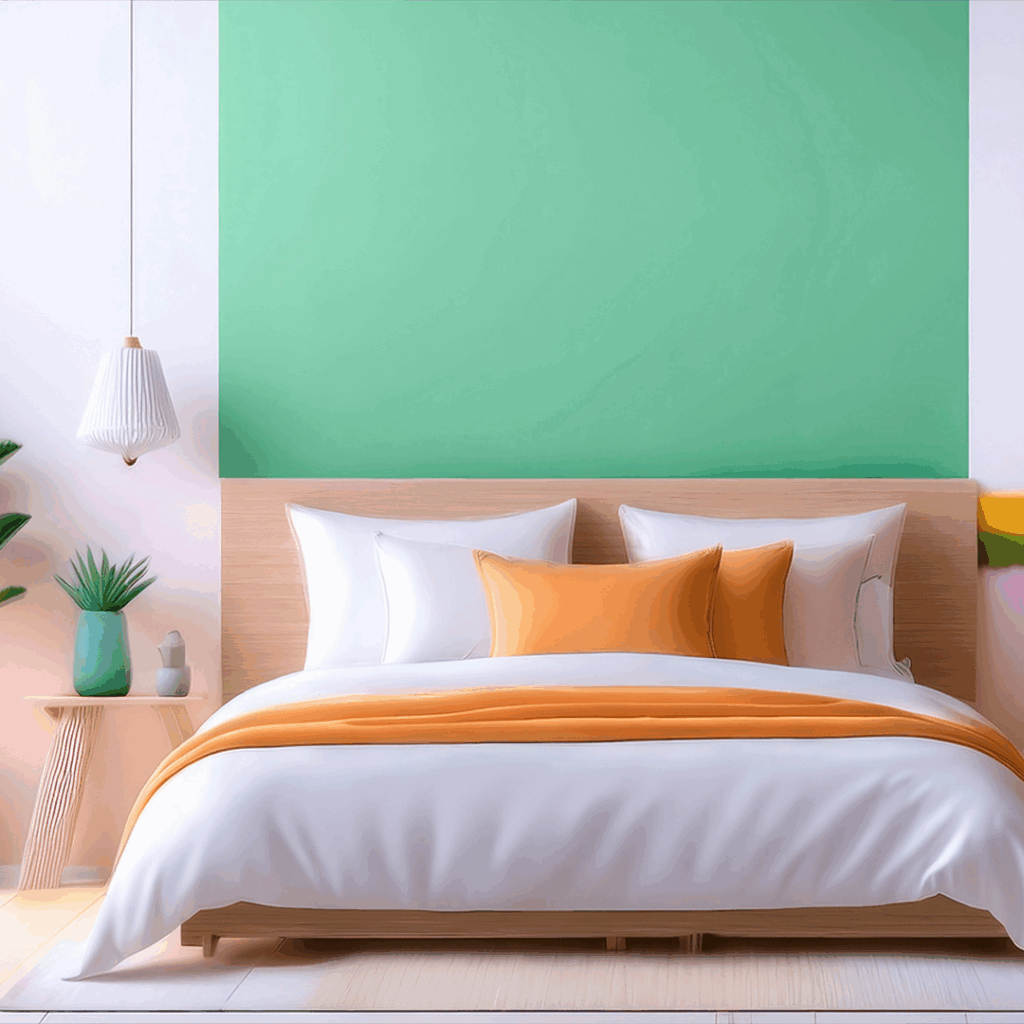
- Bedroom: Warm, soft tones with bedside lamps.
- Living room: A versatile mix of ambient, accent, and task lighting.
- Bathroom: Bright but flattering lights, preferably from multiple angles.
Customizing per room ensures functionality and comfort.
Consider Smart Lighting Solutions
Modern home lighting goes beyond switches and bulbs.
- Automate schedules for security and energy savings.
- Adjust brightness and color with apps or voice control.
- Create personalized morning or evening light routines.
Smart lighting adds both convenience and style.
Don’t Forget the Exterior
Outdoor lighting décor extends your living environment and boosts safety.
- Pathway lights for guidance.
- Motion-sensor lights for security.
- Lanterns or string lights for cozy outdoor gatherings.
Well-planned exterior lighting improves curb appeal and functionality.
Bringing Your Spaces to Life
Lighting décor is more than illumination—it shapes mood, highlights your best features, and defines how you experience your home. By layering light, choosing the right temperatures, and blending natural with artificial sources, you can design interiors that feel warm, functional, and stylish day and night.
For additional inspiration, check out our guide on Plants in Decoration: How to Choose and Where to Place Them to see how greenery and lighting work together to create atmosphere. And if you’d like to dive deeper into design strategies, explore Houzz—a trusted resource for home décor and lighting trends.