

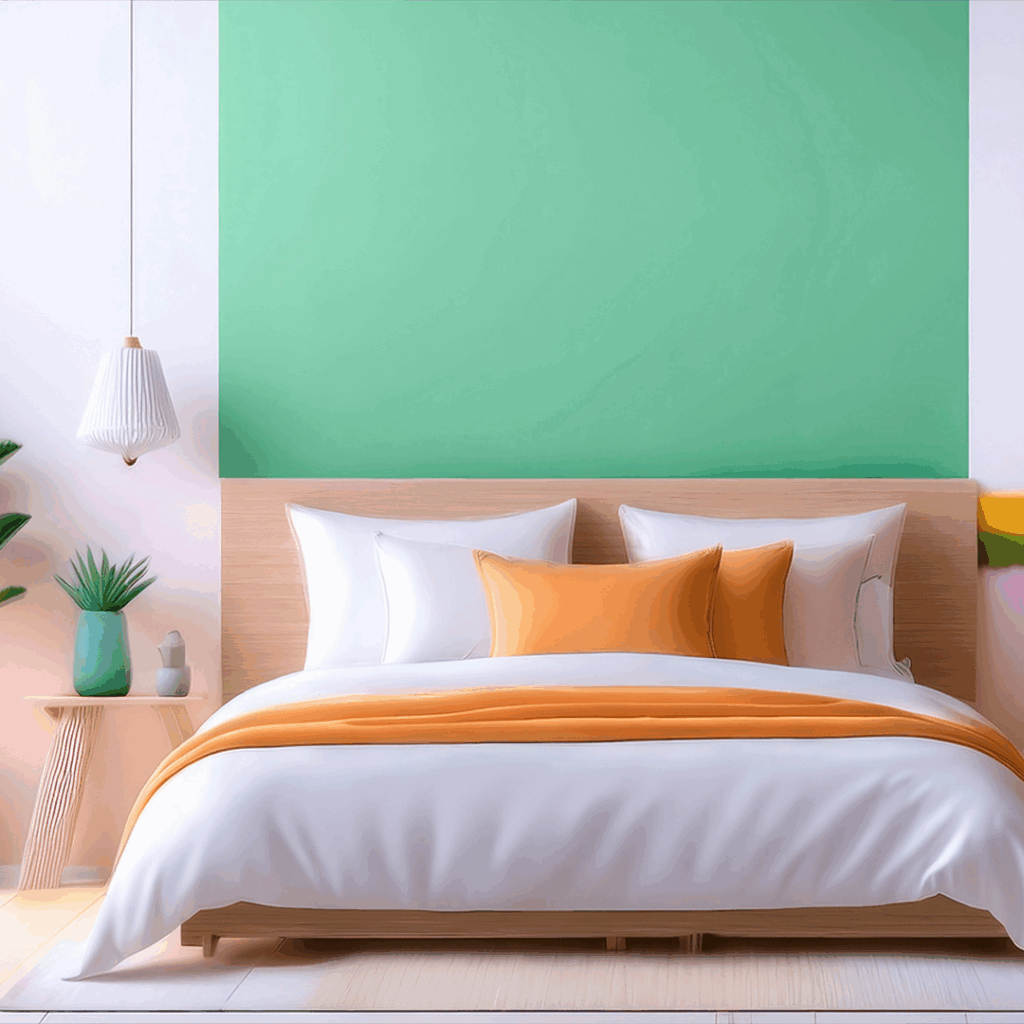
Complete Minimalist Décor Guide for Beginners
Minimalist décor isn’t about living in empty, lifeless rooms—it’s about creating a home that feels calm, intentional, and welcoming. By focusing on simplicity, quality, and functionality, you can design interiors that look modern while also feeling practical and inviting. For beginners, embracing minimalist décor may seem challenging, but with the right steps, you’ll find it’s more about thoughtful choices than strict rules.
This guide will walk you through everything you need to know to start your minimalist journey and design a home that reflects balance, clarity, and timeless style.
Understand the Core Principles of Minimalist Décor
Before styling, it’s important to know what defines minimalist décor. At its core, it is a philosophy that combines intentional design with purposeful living.
- Purposeful design: Every item serves a function or adds real value.
- Clutter-free spaces: Open areas help promote peace of mind.
- Neutral and soft color palettes: Whites, beiges, grays, and soft tones create a calm foundation.
- Quality over quantity: Fewer pieces, but carefully selected and long-lasting.
Keeping these principles in mind ensures your décor choices align with the minimalist lifestyle.
Choose a Neutral Foundation
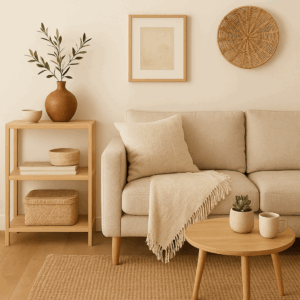
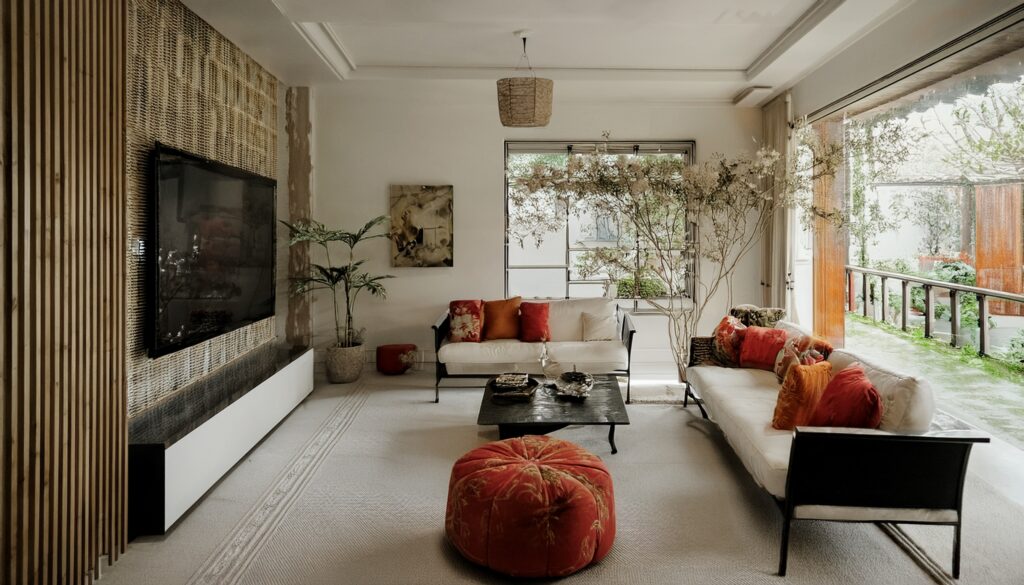
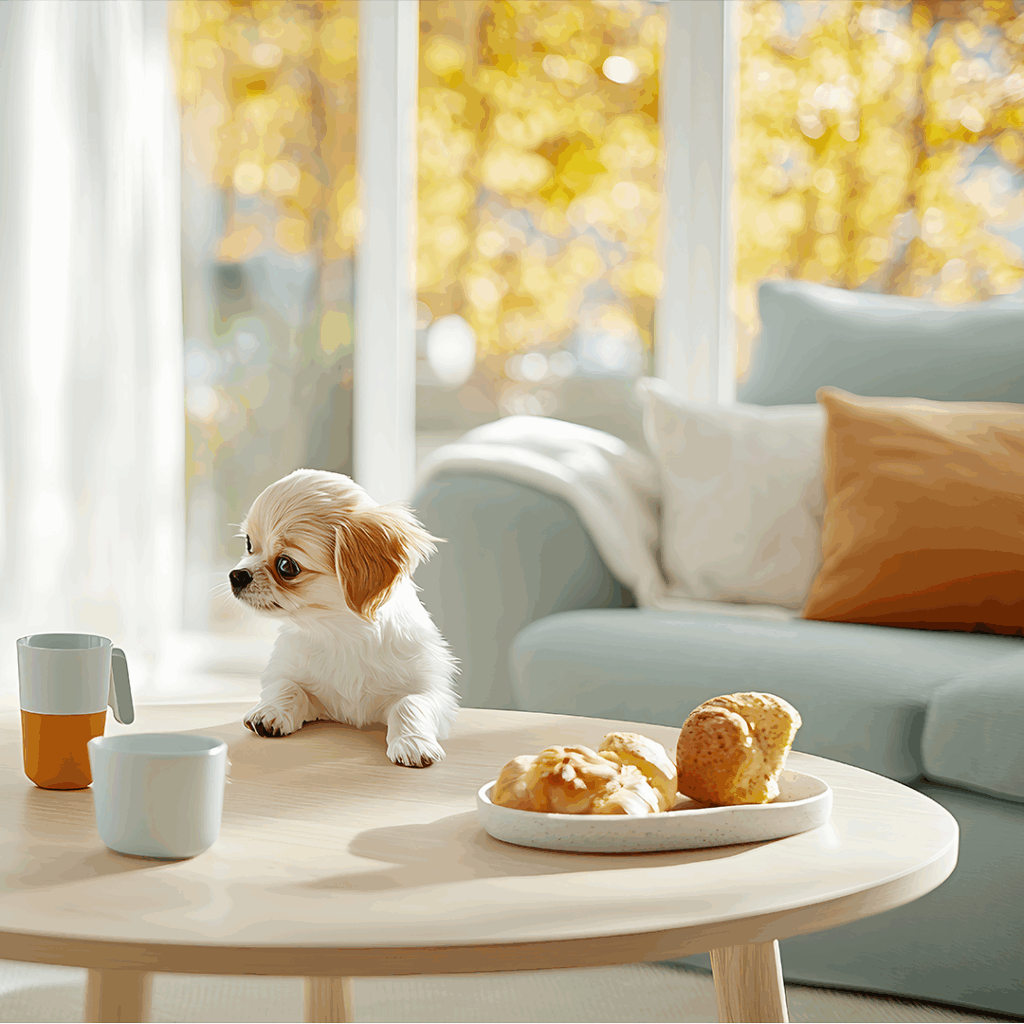
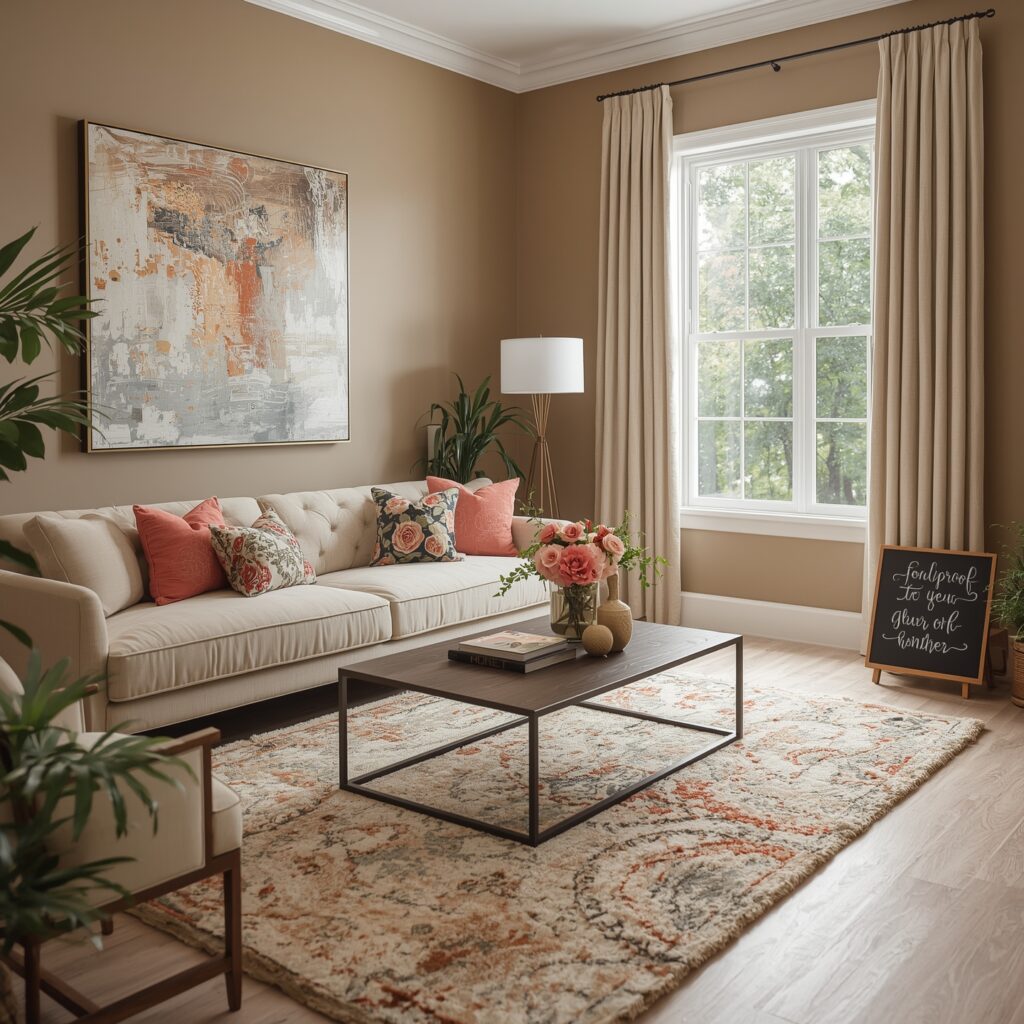
The starting point for most minimalist interiors is a neutral base. With this approach, you create a timeless backdrop that allows small details and textures to stand out.
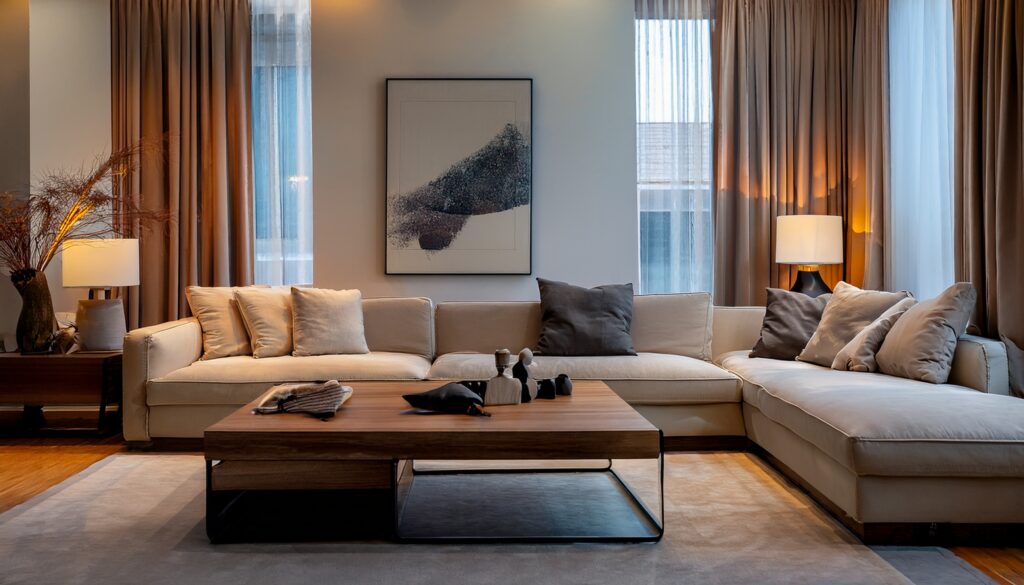
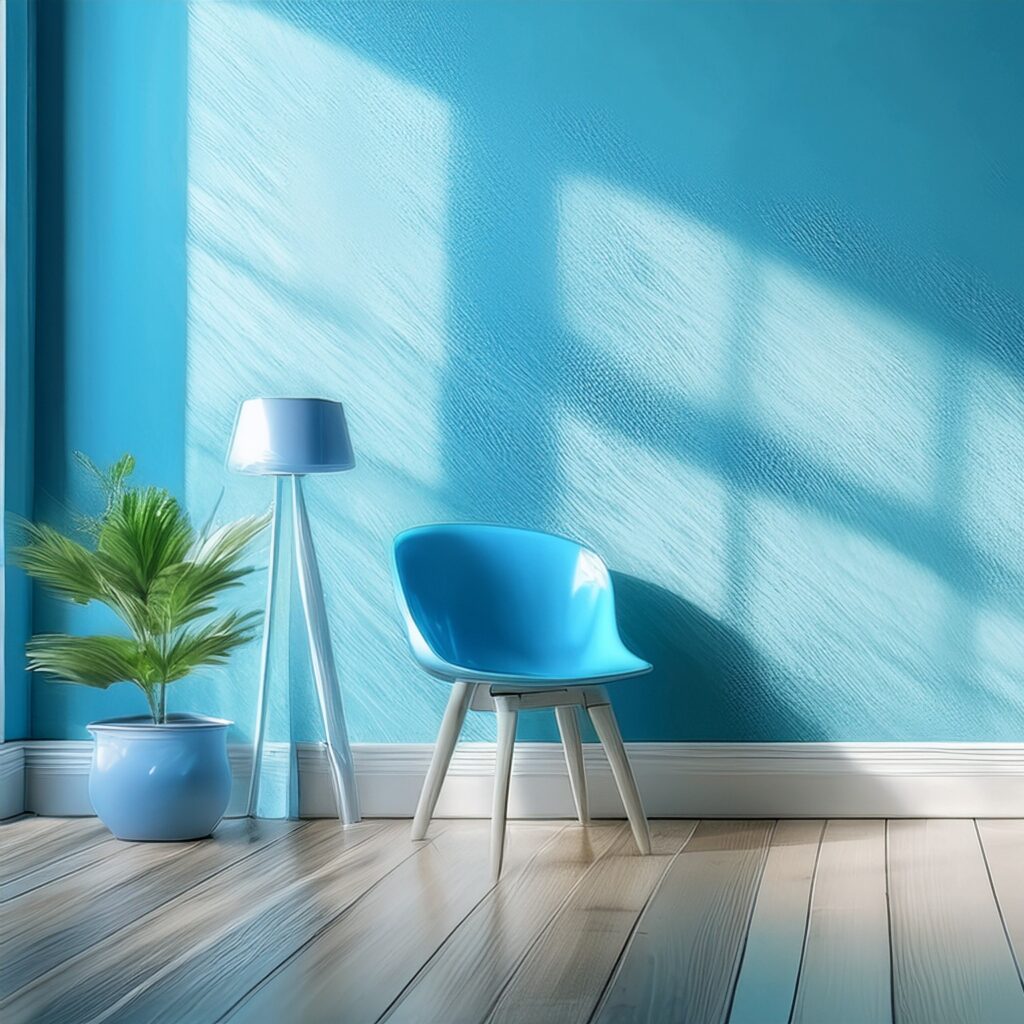
- Walls: Soft whites, warm beiges, or muted grays make spaces feel airy.
- Floors: Natural wood or neutral tiles maintain warmth without distraction.
- Large furniture: Solid, neutral tones prevent the room from feeling busy.
This foundation makes it easier to add subtle accents without overwhelming the space.
Focus on Functionality
A defining feature of minimalist décor is the balance between aesthetics and practicality.
- Invest in multi-purpose furniture such as nesting tables or storage ottomans.
- Keep surfaces clear, with only one or two carefully chosen objects.
- Avoid unnecessary decoration—every piece should have a purpose.
This method ensures your home looks stylish while remaining easy to use.
Invest in Quality Over Quantity
Minimalism is not about having less just for the sake of it—it’s about valuing what you own.
- Durability matters: Choose solid wood, high-quality fabrics, or metal accents.
- Timelessness over trends: A clean-lined sofa or a classic dining table will last years.
- Intentional purchasing: Wait for the right item instead of rushing into quick buys.
By prioritizing quality, your décor becomes both sustainable and elegant.
Use Clean Lines and Simple Shapes
Minimalist décor thrives on straightforward, uncluttered forms.
- Opt for sleek profiles with straight lines.
- Avoid heavy patterns or ornate carvings.
- Use symmetry and balance to create calm visuals.
These details ensure your rooms feel cohesive and uncluttered.
Limit Decorative Items—But Make Them Count
Minimalism doesn’t eliminate decoration; it redefines it.
- Choose one large piece of art rather than many small ones.
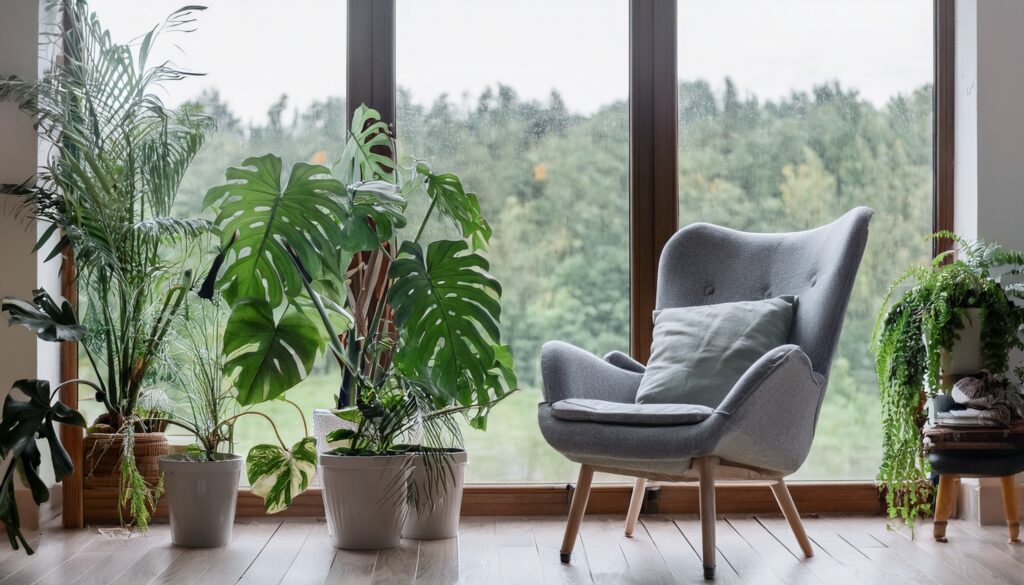
- Add greenery—plants bring freshness without creating clutter.
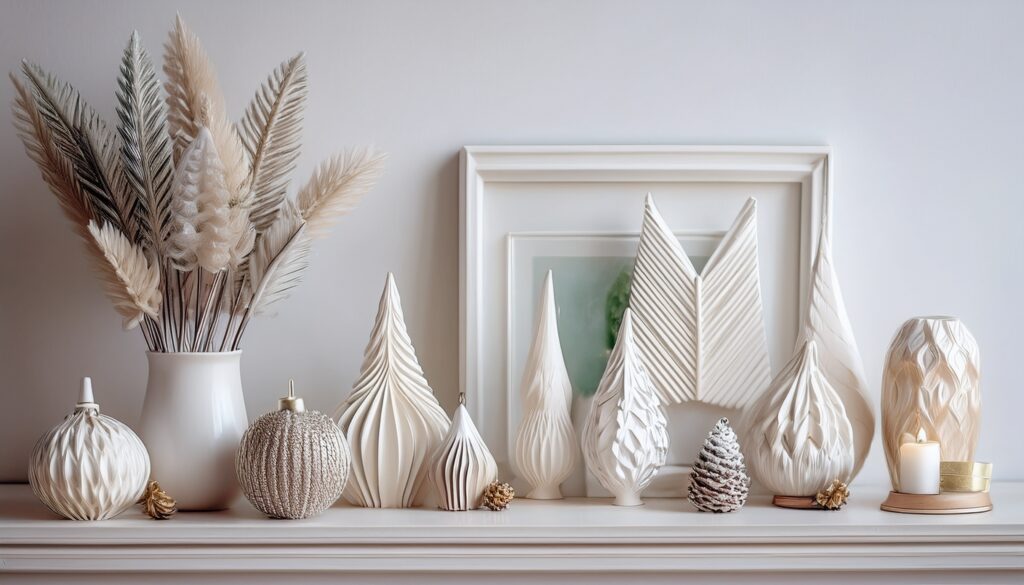
- Keep shelves organized with more space than objects.
In minimalist décor, less truly is more. Each piece should feel intentional and connected to the room’s purpose.
Play with Light and Space
Lighting plays an essential role in enhancing minimalist spaces.
- Maximize natural light with sheer curtains or uncovered windows.
- Use slim, modern light fixtures that blend into the room.
- Add mirrors strategically to bounce light and create depth.
Light enhances the airy and open essence that minimalist décor is built upon.
Embrace Negative Space
One of the most powerful tools in minimalist design is negative space—the areas intentionally left open.
- Leave breathing room around furniture.
- Avoid filling every corner with décor.
- Highlight special pieces by surrounding them with emptiness.
This allows the eye to rest and prevents overstimulation.
Keep a Consistent Style Throughout
A minimalist home feels most impactful when the design flows seamlessly across rooms.
- Stick to similar colors, shapes, and textures throughout.
- Avoid sudden style shifts that break the harmony.
- Repeat design elements like wood finishes or fabric tones for unity.
This makes your home feel cohesive and thoughtfully designed.
Maintain Minimalism Over Time
The real challenge is not starting with minimalist décor but sustaining it.
- Regularly declutter to avoid unnecessary buildup.
- Buy new items only if they serve a clear purpose.
- Revisit your décor each season to ensure balance remains intact.
Minimalism is not a one-time design—it’s a lifestyle that requires consistency.
A Calmer, More Intentional Home
Minimalist décor goes beyond decoration—it transforms how you live. By embracing simplicity, focusing on high-quality items, and letting negative space and light define your rooms, you’ll create a home that feels modern, balanced, and deeply personal.
For inspiration on how minimalist principles intersect with other décor styles, explore our guide on Scandinavian Decoration: Step-by-Step to Reproduce It at Home and discover how minimalism can blend with cultural design influences.
And if you’d like to dive deeper into the philosophy behind minimalism, resources from Architectural Digest provide excellent insights into timeless design strategies.