


If you want your home to feel vibrant, calming, and truly lived-in, few elements deliver as much impact as plants. And while adding greenery might seem simple, doing it strategically is what separates a cluttered corner from a magazine-worthy interior. That is precisely the promise of plants in decoration: how to choose and where to place them—an approach that treats greenery not as an afterthought but as a core design system. When you think about light first, then species, then potting, styling, and ongoing care, your rooms gain color, texture, movement, and even better acoustics and airiness. In practice, plants in decoration: how to choose and where to place them means mapping the conditions you have, selecting species that thrive there, and composing them in a way that supports your furniture layout, color palette, and daily routines.
What “plants in decoration: how to choose and where to place them” really means for your design vision
Designers don’t start by shopping; they start by reading a room. In the context of plants in decoration: how to choose and where to place them, that means noting sun paths, heat sources, drafts, and traffic flow; identifying sightlines from seating and entries; and deciding where height, softness, or color would best balance the architecture. Maybe your living room needs a vertical accent to counter a long low sofa, or your kitchen begs for fresh herbs within arm’s reach of prep space, or the entry needs a hardy anchor that welcomes guests without demanding constant care. When you analyze the purpose of each zone, plants in decoration: how to choose and where to place them becomes a blueprint for function and beauty rather than a random collection of pots.
Start with light: the non-negotiable foundation
Light is destiny for houseplants; ignore it and even stylish arrangements will struggle. South and west exposures tend to be brightest, east light is gentle and ideal for many species, and north light is typically lowest. Sheer curtains can soften harsh afternoon sun while still delivering the lumens plants crave. To apply plants in decoration: how to choose and where to place them here, schedule a simple “light audit”: at morning, midday, and late afternoon, stand where you plan to place plants and note brightness and direct sun. Then shortlist species accordingly—snake plants, ZZ plants, pothos, and cast-iron plants for low light; monstera, rubber plants, and schefflera for bright indirect; cacti and succulents for extended direct sun. Mirrors and pale walls can bounce light deeper into a space, expanding your planting options; just remember that reflections increase brightness but not necessarily duration, so still match species to real conditions. For advanced planning and species research, the Royal Horticultural Society has practical guidance on light needs and care at RHS Houseplants.
Choose species with a purpose: scale, form, and mood
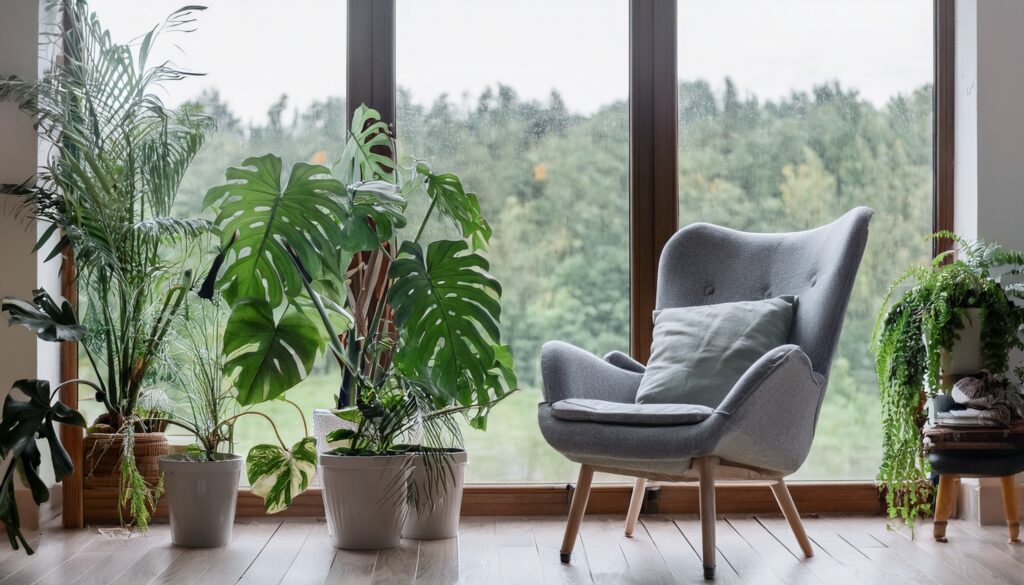
Once you understand light, select plants like a stylist choosing furniture—by scale, silhouette, and the emotion they convey. Tall architectural statements such as fiddle-leaf fig, rubber plant, or a well-staked monstera add drama and vertical balance to rooms with low, horizontal furniture. Mounding or cascading plants—think philodendron, pothos, and spider plant—soften hard edges of shelves and consoles. Textural varieties such as fern, calathea, or peperomia bring a tactile layer that reads as cozy and lived-in. If your palette is neutral and calm, variegation (marble queen pothos, variegated rubber) adds subtle pattern without loud color. This is the heartbeat of plants in decoration: how to choose and where to place them: you select greenery not just for survival, but to solve design problems—height where you need it, softness where you crave it, rhythm where your eye wants to wander.
Pot, soil, and drainage: design that keeps plants alive
A beautiful planter with poor drainage is a short story. Choose containers with a drainage hole and a saucer; if you love a decorative cachepot without a hole, keep your plant in a nursery pot and slip it inside, removing it when you water. Use a well-aerated potting mix matched to the plant: more perlite and bark for aroids (monstera, philodendron), gritty, fast-draining mix for succulents, moisture-retentive blends for ferns. Top with a thin layer of decorative gravel or moss to tidy the surface without sealing it. The practical side of plants in decoration: how to choose and where to place them insists that every aesthetic decision supports root health, because lush leaves are the visual dividend of an unseen but healthy root zone.
Styling by room: from entry to bedroom
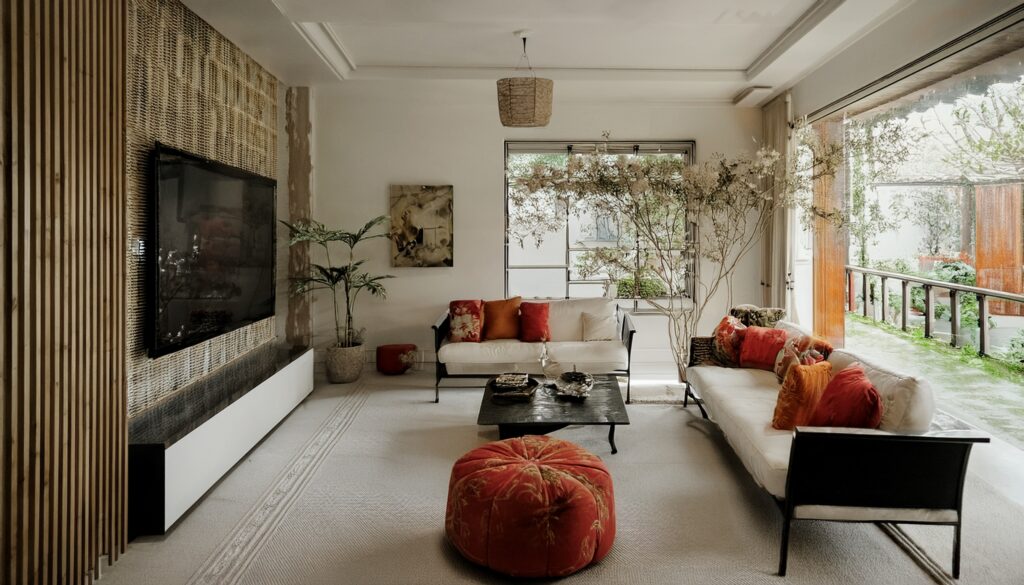
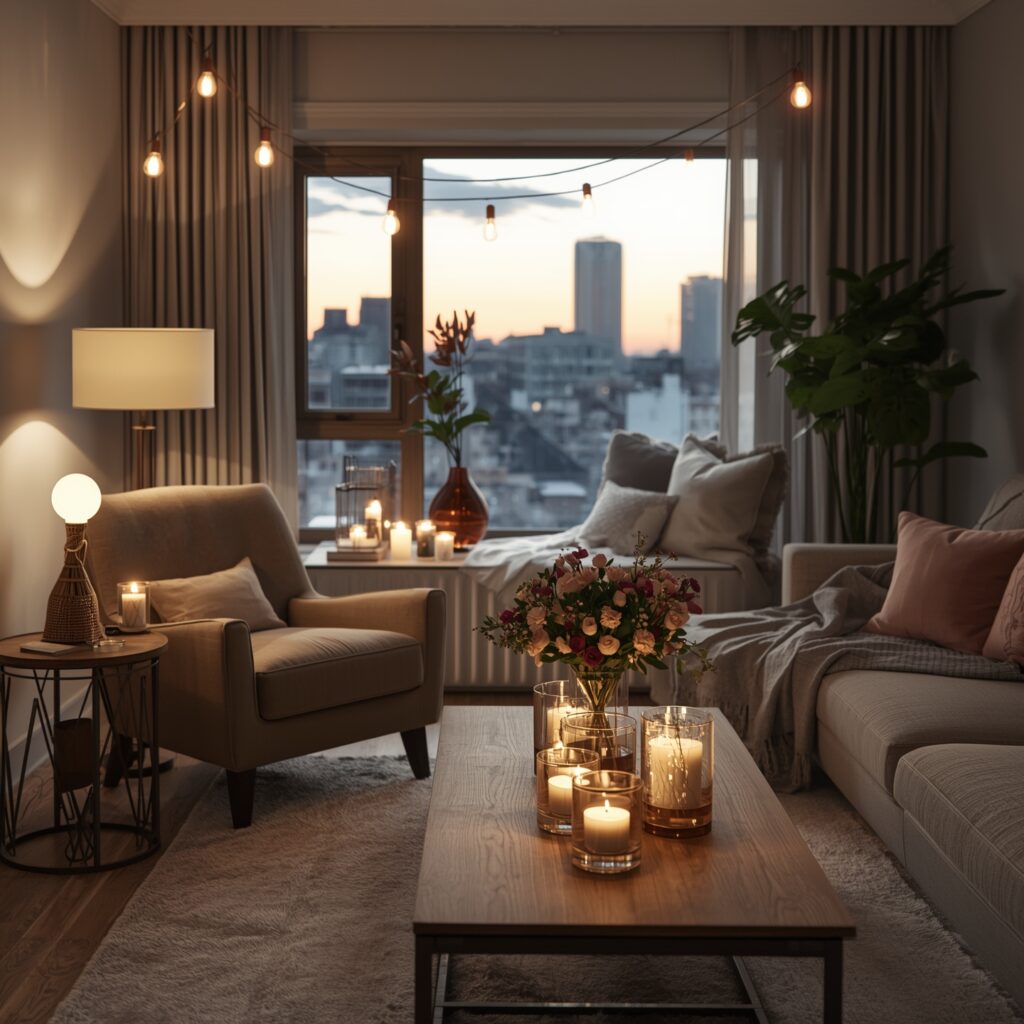
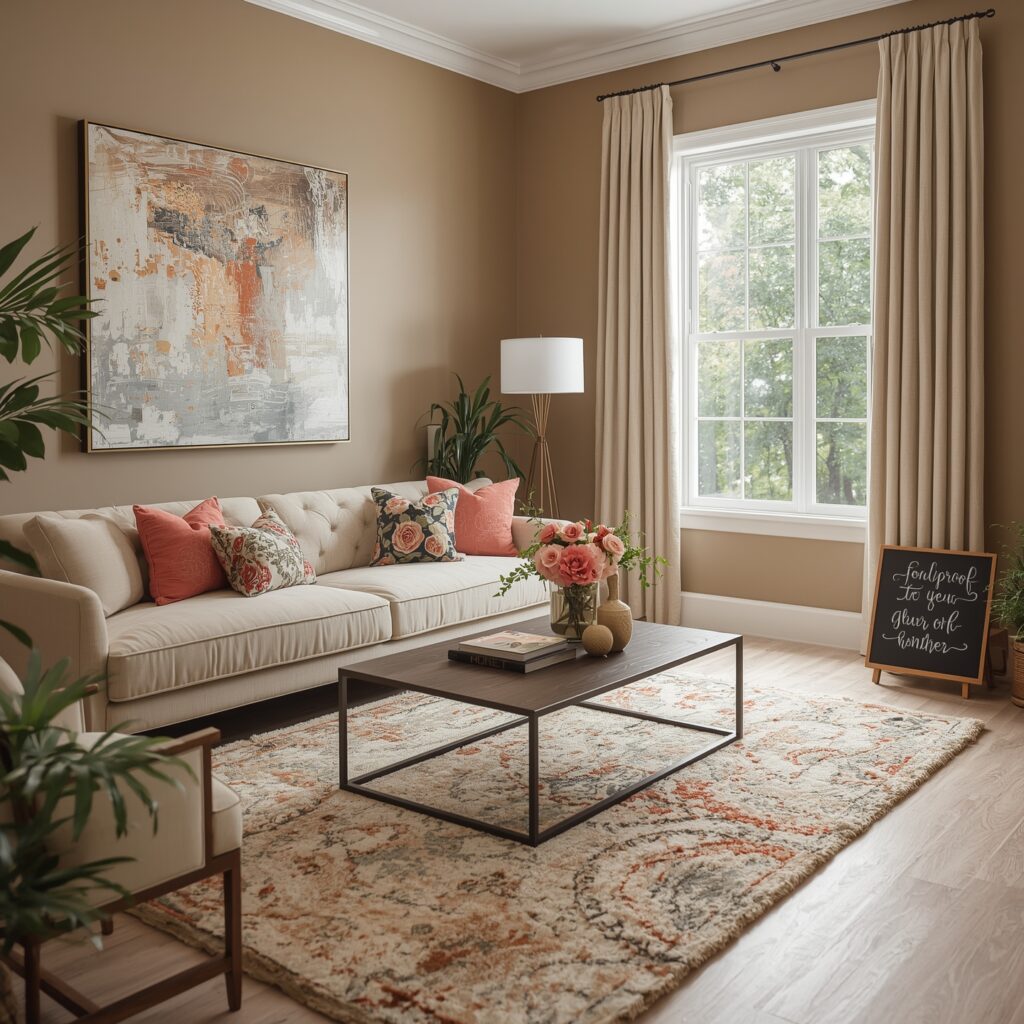
A whole-home plan cements plants in decoration: how to choose and where to place them into daily life. In the entry, choose tough, upright species that handle fluctuating light and drafts—ZZ plant or snake plant in a weighted pot that won’t tip when doors slam. In living rooms, anchor a seating vignette with a floor plant just behind or beside the sofa’s arm; flank media units with symmetrical pairs to frame the focal point; layer a trailing pothos on the top shelf to soften lines. Kitchens love productivity: a sunny sill with basil, mint, and rosemary in matching terracotta reads intentional and adds fragrance; hang a trailing philodendron far from heat and steam. Bathrooms, with higher humidity, can host ferns and philodendrons if there is adequate light; a small stool with a plant elevates the spa mood. In bedrooms, prioritize calm and scale: one sculptural rubber plant or a soft trailing pilea near filtered light is enough. Throughout, plants in decoration: how to choose and where to place them should honor circulation paths—leave at least 90 cm clear so fronds aren’t brushed and broken.
Composition techniques: groupings, odd numbers, and vertical rhythm
Great plant styling borrows from floral design. Group plants in odd numbers (3, 5) and vary height, leaf size, and pot texture for dimension. Create vertical rhythm by stepping heights: floor, stool, shelf, hanging. Repeat finishes—matte ceramic, warm terracotta, woven baskets—so the arrangement feels cohesive, not random. A single exuberant species can be a focal point, but the most satisfying compositions rely on contrast: glossy monstera leaves against rough planters, fine fern fronds beside broad philodendron hearts. When you apply these techniques, plants in decoration: how to choose and where to place them becomes a language of balance and counterbalance, with greenery acting like punctuation in the sentence of your room.
Color and plants: tuning the palette
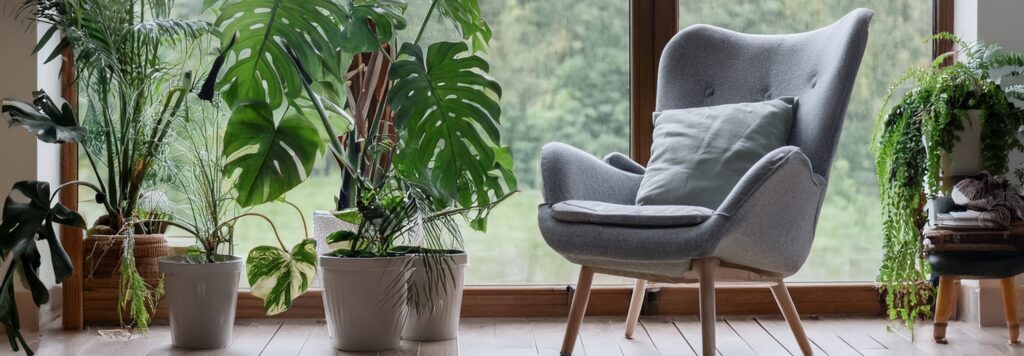
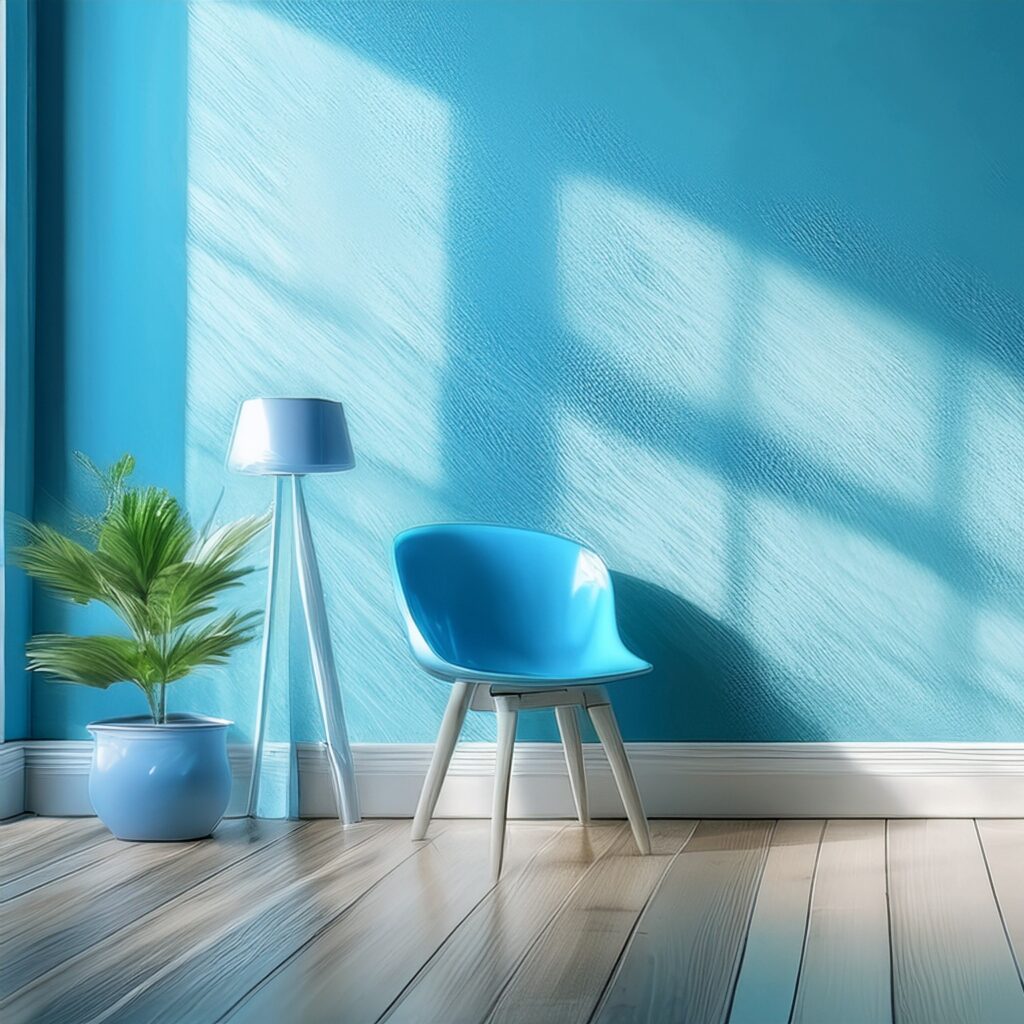
Plants introduce living green, but the pots and stands carry color decisions. In cool, minimalist schemes, white or charcoal planters keep focus on foliage shapes. In eclectic or boho homes, saturated glazes or patterned baskets echo textiles and art. Tie your planters to the room’s palette by repeating an accent tone at least three times (for example, the same moss green appears in a rug stripe, a vase, and a planter). If you’re building your palette from scratch, see How to Use Colors to Transform Any Space to coordinate foliage tones with paint and textiles; it pairs naturally with plants in decoration: how to choose and where to place them because color harmony frames your living collection.
Placement pitfalls and how to avoid them
The most common mistakes are easy to prevent: placing plants on radiators or next to heat vents, tucking them in deep corners where there’s too little light, or crowding leaves against cold windowpanes in winter. Another frequent error is scale mismatch—tiny pots on a vast console get visually lost, while an oversized floor plant squeezed behind a door feels awkward and suffers damage. In a methodical plan for plants in decoration: how to choose and where to place them, every placement earns its keep: your floor plant breathes freely, your shelf plant trails without blocking books, and your windowsill herbs bask in morning light instead of scorching in the afternoon.
Care routine: consistent, simple, sustainable
Consistency beats intensity. Water when the top few centimeters of soil are dry for most tropicals; let succulents dry deeper. Turn plants a quarter-turn weekly for even growth. Dust leaves monthly so they photosynthesize fully—dust is design’s silent enemy. Feed during active growth (spring–summer) with a balanced, diluted fertilizer; pause in winter. Use a moisture meter if you tend to overwater, and group humidity-loving plants together to create a microclimate. A realistic routine is central to plants in decoration: how to choose and where to place them because a thriving collection is the most beautiful one.
Pets, kids, and safety
If you share your home with pets or young children, incorporate safety into plants in decoration: how to choose and where to place them. Many popular species can be irritating or toxic if ingested. Opt for pet-friendlier options—calathea, peperomia, areca palm—on low surfaces, and place riskier plants up high or behind barriers. Confirm toxicity lists with reputable sources; The Spruce’s houseplant care hub is a useful starting point, and your local extension service offers region-specific advice. Use stable, heavy planters to prevent tipping, and keep pruners and fertilizers out of reach.
Seasonal adjustments and growth
Rooms change with seasons; so should your plant plan. In winter, shift plants closer to the brightest windows but away from cold drafts; in summer, pull them back from harsh afternoon sun. Repot when roots circle the bottom or water runs straight through—typically every 12–24 months—stepping up just one pot size to avoid soggy soil. Prune to maintain shape and encourage branching; use cuttings to propagate and expand your collection economically. This adaptive mindset ensures plants in decoration: how to choose and where to place them remains a living strategy, not a one-time arrangement.
Furniture synergy and traffic flow
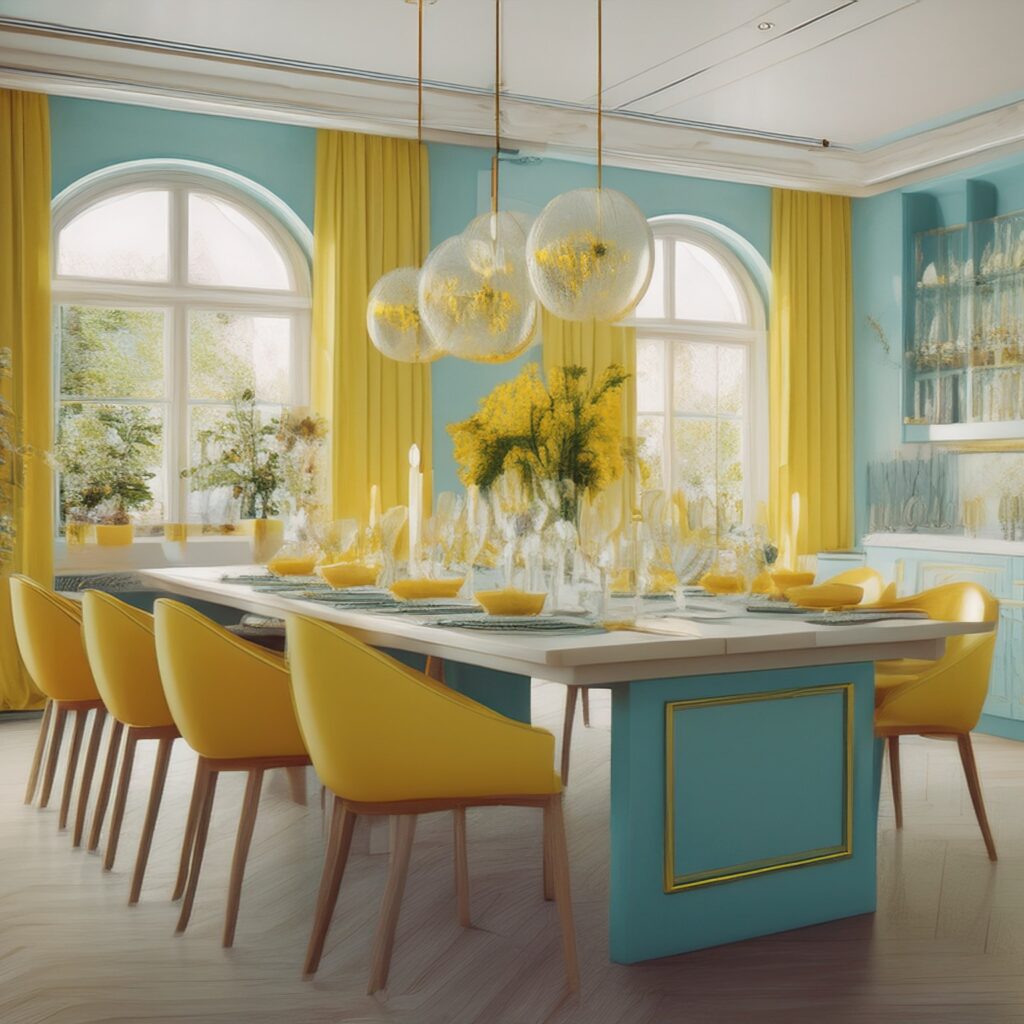
Plants should complement, not compete with, your furniture plan. Place a tall specimen just behind a sofa arm to frame the seating area without blocking conversation sightlines. Use a plant stand to align leaf height with artwork for a connected vignette. In dining rooms, keep centerpieces low and airy so guests can see across the table. Avoid narrow pinch points—brushing past leaves stresses both plant and people. In this sense, plants in decoration: how to choose and where to place them is identical to good space planning: it respects movement, eye contact, and comfort.
Budgeting and sourcing: where to splurge, where to save
Splurge on large statement plants and quality planters that will define the room; save on smaller fillers you can propagate or rotate seasonally. Consider local nurseries for acclimated stock and advice; big-box stores and plant swaps are great for common varieties. Upcycle baskets as cachepots (line with waterproof trays), and thrift ceramic vessels for character. When you budget with intention, plants in decoration: how to choose and where to place them becomes accessible, scalable, and sustainable.
Troubleshooting: yellow leaves, pests, and leggy growth
Yellowing can signal overwatering or poor drainage—check roots and adjust. Leggy, stretched stems usually mean insufficient light—move closer to a window or supplement with a grow light. For pests like fungus gnats, allow soil to dry deeper and use sticky traps; for spider mites, increase humidity and gently rinse foliage. A simple log—date watered, location, issues—helps you learn each plant’s rhythms. Troubleshooting is part of plants in decoration: how to choose and where to place them, because a healthy collection is dynamic and responsive.
Bringing it all together with interior storytelling
Ultimately, plants in decoration: how to choose and where to place them is about storytelling. Your entry might say “welcome” with a bold rubber plant in a textured pot; your living room whispers “linger” with layered heights and a trailing vine softening the shelf; your kitchen sings “fresh” with herbs ready for the chopping board. Tie these scenes together by repeating one planter material, one foliage shape, and one accent color throughout the home, so each room feels unique yet connected. For more ways to pull the whole picture together, explore How to Use Mirrors to Expand Spaces, since reflective surfaces can amplify light for your plants and double the visual impact of your compositions.
A home that breathes: your next steps
Walk through your rooms with notebook in hand and map light, function, and focal points. Shortlist species that match those conditions, gather planters that repeat your palette, and stage your first compositions. Live with them for a week, then tweak heights, angles, and groupings until the flow feels effortless. When you approach greenery this way, plants in decoration: how to choose and where to place them stops being a slogan and becomes the framework for a home that genuinely breathes—balanced, lush, and unmistakably yours.