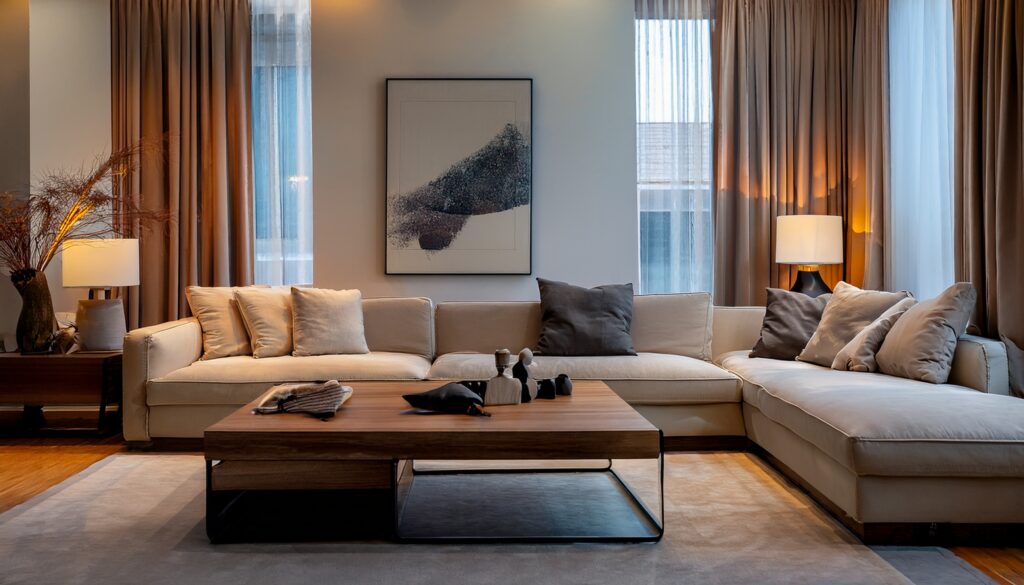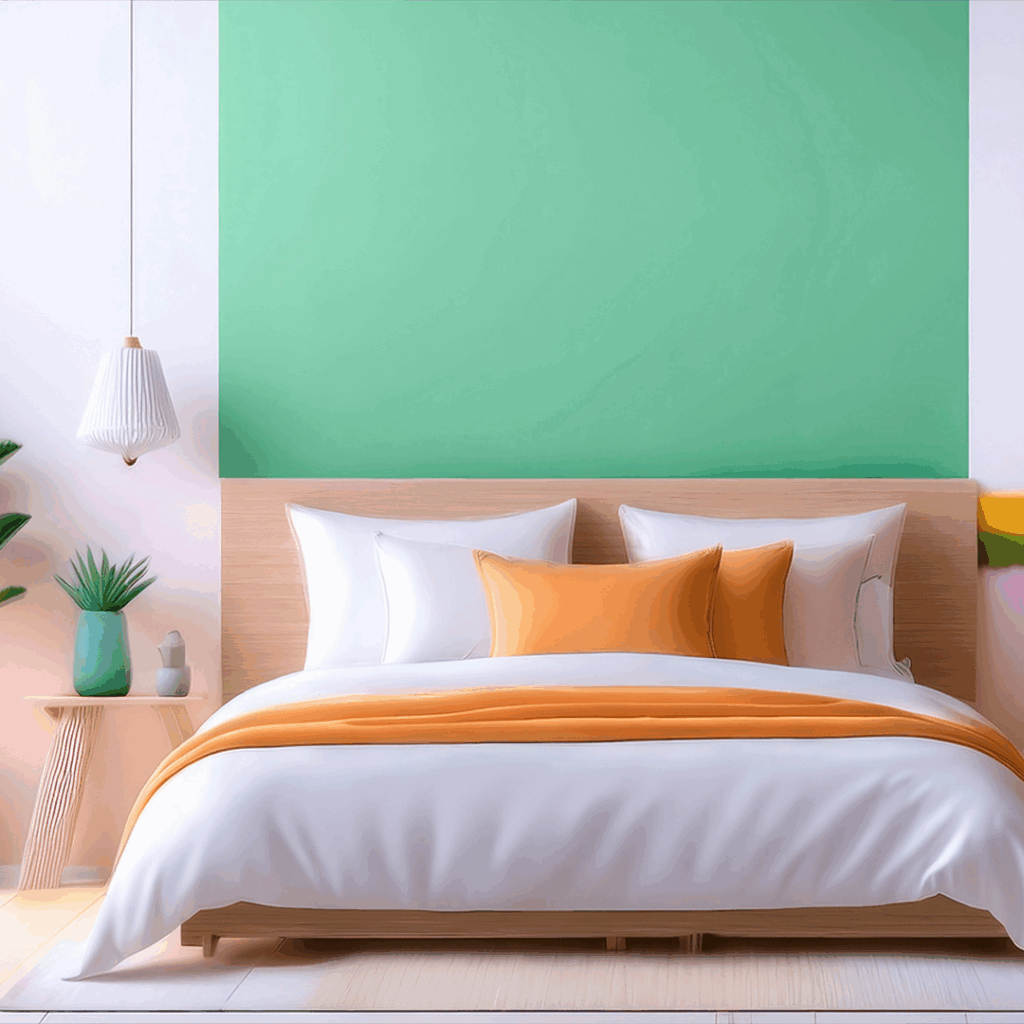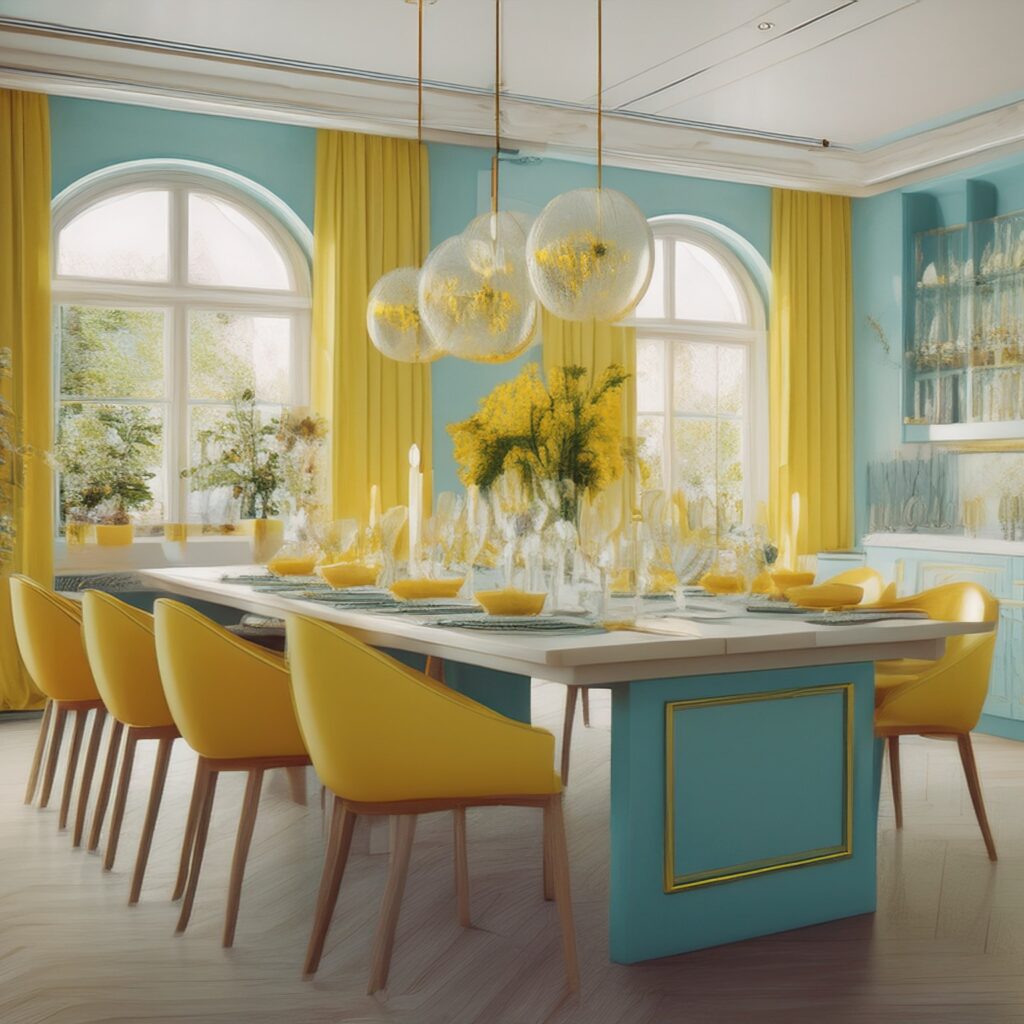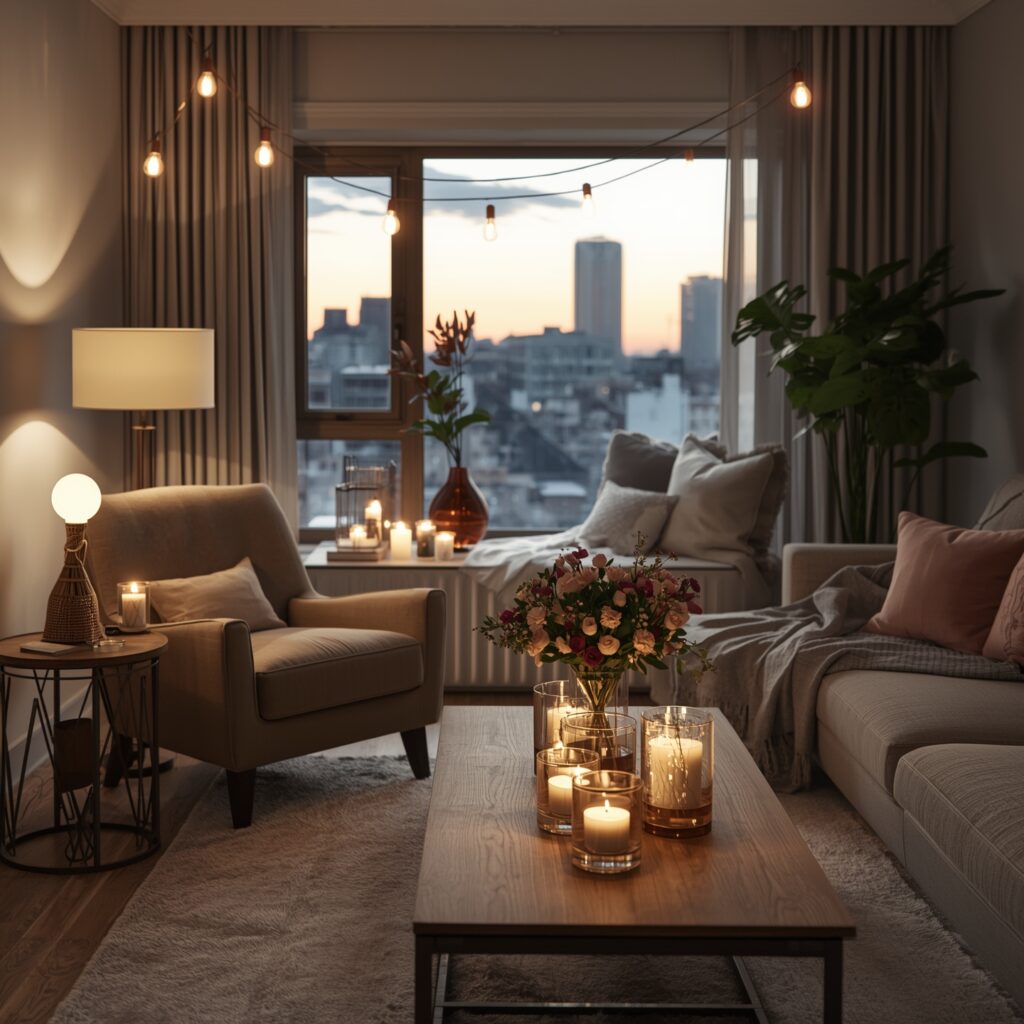




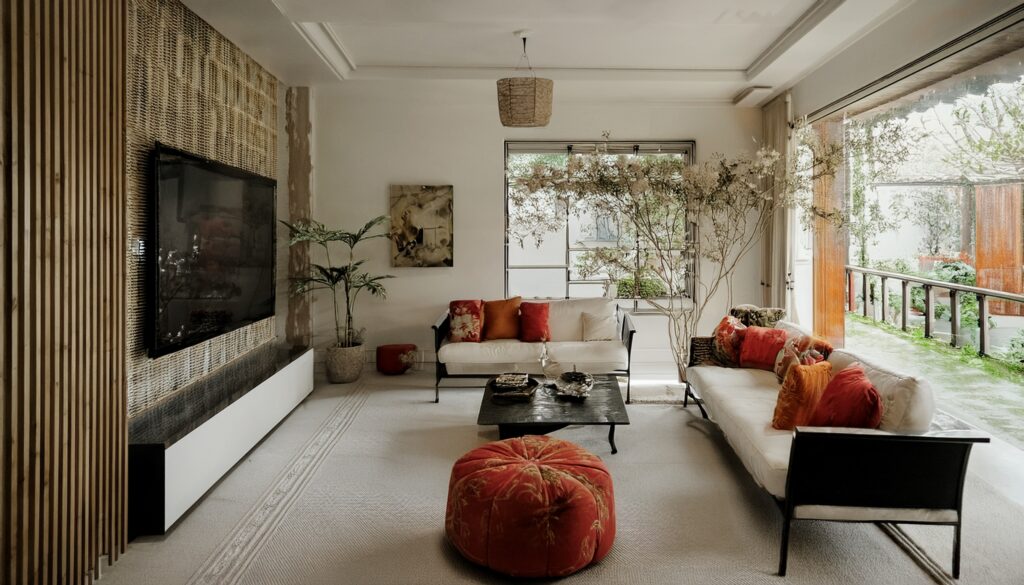
Designing Living Rooms Inspired by Japanese Culture is more than a decorative choice — it’s an invitation to experience serenity, balance, and natural beauty in your daily life. Japanese aesthetics embody minimalism, harmony with nature, and functional design, making them an increasingly popular theme for modern interiors. Whether you want a subtle nod to Japanese tradition or a fully immersive cultural environment, this style can transform an ordinary living room into a peaceful retreat.
Understanding the Essence of Japanese Design
Before applying decorative techniques, it’s essential to understand the philosophy behind Living Rooms Inspired by Japanese Culture. Rooted in Zen principles, Japanese design seeks balance, simplicity, and mindfulness. Each object has purpose, each space is intentional, and nothing is left without meaning.
Key Elements of Japanese Aesthetics
- Simplicity and Minimalism: Decluttered spaces with clean lines.
- Natural Materials: Wood, bamboo, stone, and paper dominate the palette.
- Connection with Nature: Indoor plants, natural light, and outdoor integration.
- Harmony of Colors: Neutral tones combined with earthy accents.
- Functional Furniture: Low furniture pieces designed for comfort and practicality.
Step-by-Step Guide to Creating Living Rooms Inspired by Japanese Culture
1. Start with Neutral Foundations
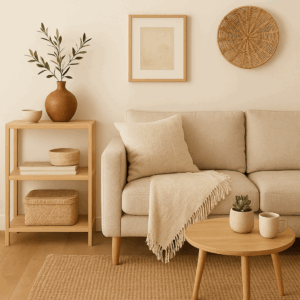
Walls and flooring establish the overall atmosphere. Opt for light tones such as beige, white, or light gray to create a calm base. Wooden flooring or tatami mats reinforce authenticity and set the mood for Living Rooms Inspired by Japanese Culture.
2. Choose Low and Functional Furniture
Japanese design values proximity to the ground. Select low-profile sofas, futons, or tatami seating. A simple wooden coffee table with clean lines can serve as the centerpiece of your living room.
3. Integrate Natural Elements
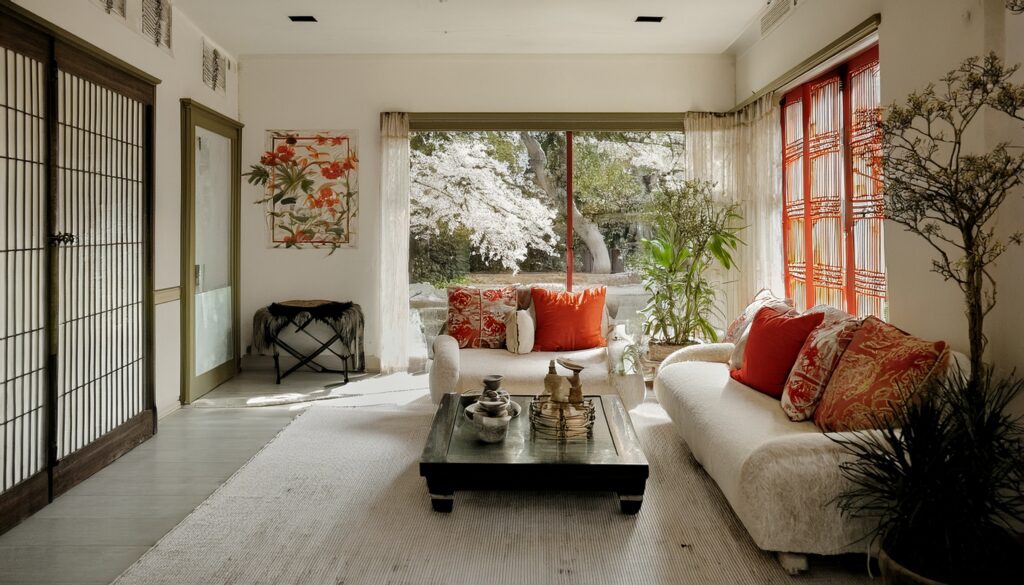
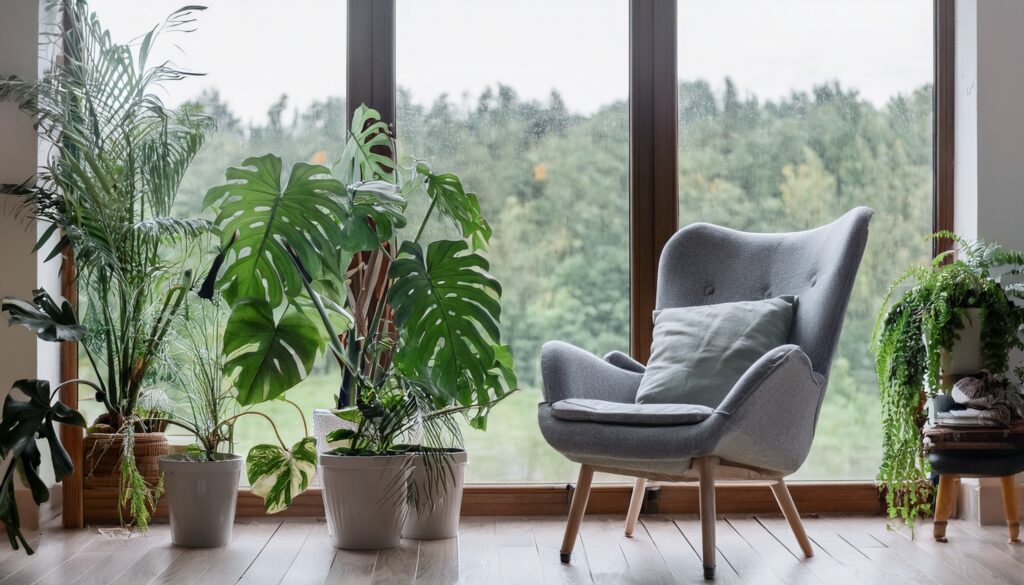
Nature is central to Living Rooms Inspired by Japanese Culture. Use bamboo partitions, bonsai trees, or ikebana flower arrangements to connect the space with the outdoors. If possible, include large windows to maximize natural light and views of gardens or greenery.
4. Balance with Color and Textures
While the primary palette remains neutral, subtle accents like deep browns, muted greens, or earthy reds bring warmth. Textured fabrics such as linen or cotton cushions enhance comfort without overwhelming the minimalist aesthetic.
5. Focus on Lighting and Atmosphere
Lighting plays a crucial role in Japanese-inspired interiors. Choose paper lanterns, shoji lamps, or indirect LED strips to create soft, diffused light. This enhances the tranquil energy and ensures your Living Rooms Inspired by Japanese Culture feel inviting both day and night.
6. Add Decorative Accents Thoughtfully
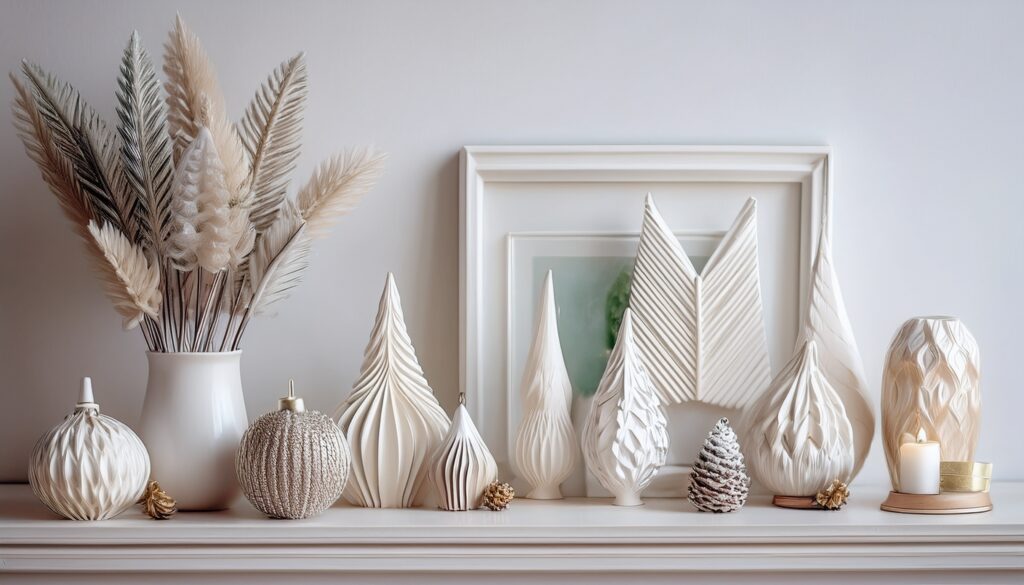
Instead of clutter, focus on a few significant pieces: traditional wall art, calligraphy, or folding screens (byōbu). Each accent should align with the minimalist ethos while enhancing the cultural authenticity.
7. Create Open Flow and Flexible Spaces
Japanese living rooms often emphasize openness and multifunctionality. Sliding shoji doors or modular furniture allow for flexible layouts. This creates fluid transitions between different areas of the home while maintaining harmony.
Modern Interpretations of Living Rooms Inspired by Japanese Culture
Blending Japanese with Scandinavian Minimalism
One popular adaptation is Japandi style, a fusion of Japanese and Scandinavian design. Both aesthetics value minimalism and functionality, resulting in living rooms that are warm yet uncluttered.
Technology Integration without Compromise
Modern living rooms often rely on technology. Hidden storage for electronics, minimalist TV stands, and discreet sound systems allow integration without breaking the Japanese design flow.
Sustainable Choices for Authentic Design
Sustainability pairs naturally with Living Rooms Inspired by Japanese Culture. Reclaimed wood, organic fabrics, and eco-friendly finishes honor both tradition and modern responsibility.
Benefits of Living Rooms Inspired by Japanese Culture
- Stress Reduction: Calming environments improve mental well-being.
- Timeless Appeal: The style avoids trends, ensuring longevity.
- Functionality: Spaces designed for daily living as well as aesthetic pleasure.
- Connection to Nature: Enhances mindfulness and relaxation.
External Inspiration and Resources
For deeper exploration, Dezeen offers a wide range of articles on Japanese interiors, architecture, and cultural aesthetics that inspire countless homeowners and designers worldwide.
Internal Connection
If you enjoyed this guide, explore our related article: Space-Themed Bedrooms — another creative way to transform your interiors with immersive storytelling.
A Living Room Beyond Decoration
Designing Living Rooms Inspired by Japanese Culture is not simply about aesthetics — it’s about adopting a lifestyle. Every corner reflects mindfulness, every piece of furniture has meaning, and every element strengthens the bond with nature. Whether you live in a large house or a small apartment, you can bring the essence of Japanese serenity into your daily life.
Allow your living room to be more than just a space to sit — make it a sanctuary of harmony, culture, and inspiration. By embracing Living Rooms Inspired by Japanese Culture, you’re creating an environment where simplicity meets sophistication, where tradition blends with modernity, and where every day begins and ends with balance.